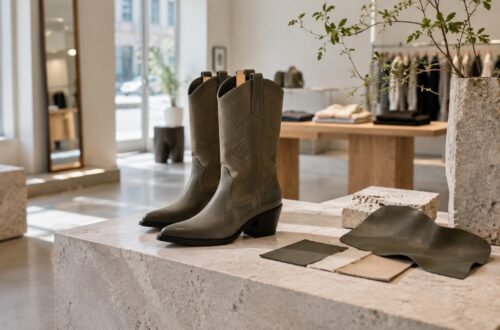
Luxury has always been defined by exceptional materials. Silk, cashmere, and fine leather have shaped some of the world’s most iconic fashion houses for decades. Today, however, another material is beginning to attract attention—not because it imitates leather, but because it challenges how luxury thinks about innovation.
That material is bio-based vegan leather.
For a long time, the conversation around vegan leather focused on replacing animal leather. Today, the discussion has become far more interesting. Brands are investing in new materials that promise lower environmental impact while creating new stories around craftsmanship, technology, and design.
It is no longer just about what a product looks like.
It is also about what it is made from.
A New Generation of Materials
Not all vegan leather is the same.
Many products sold today still rely on polyurethane (PU) or PVC, both petroleum-based materials. While they avoid animal leather, they are not necessarily the most sustainable option.
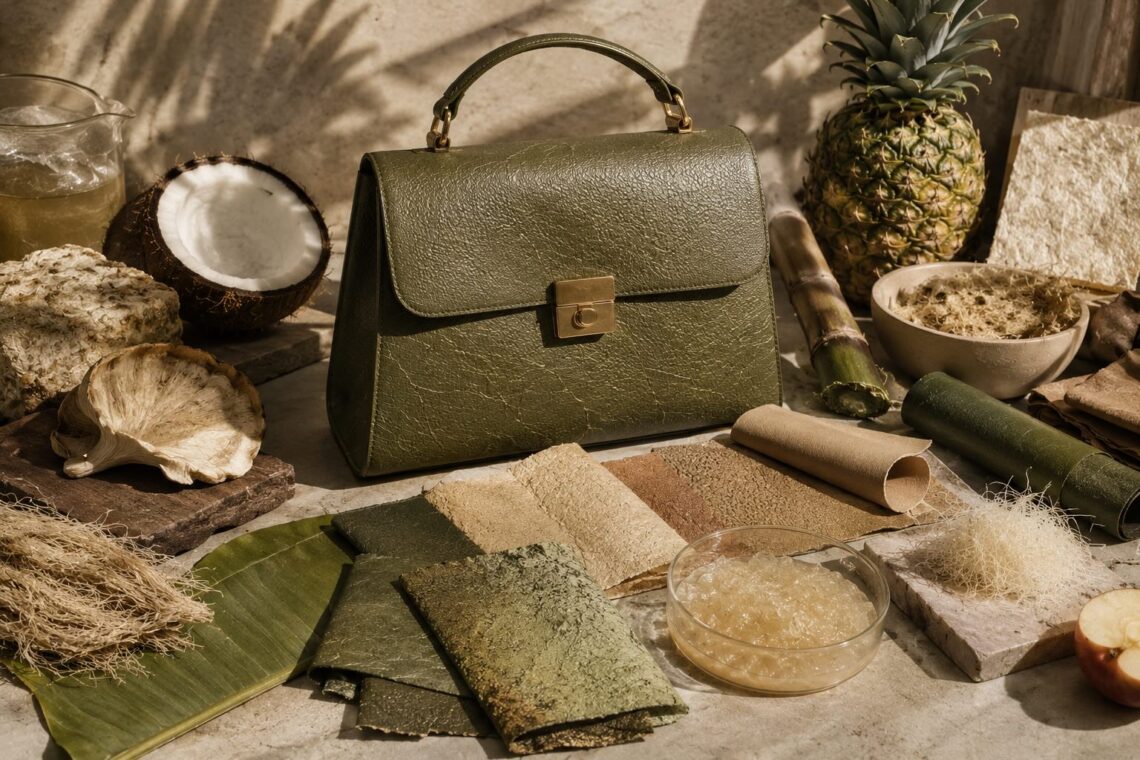
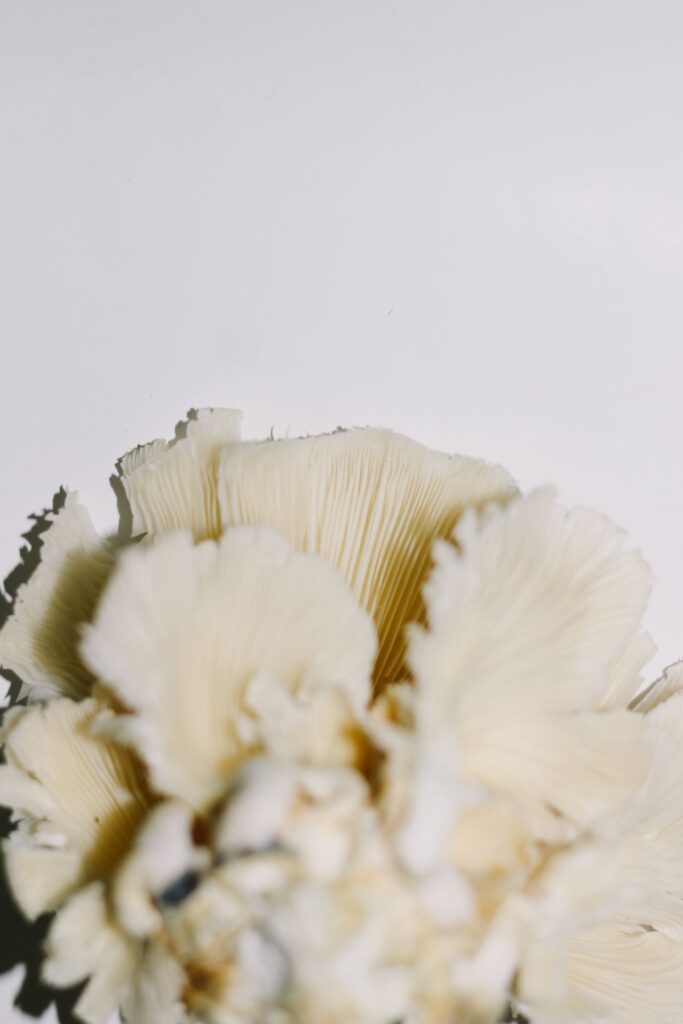
A new generation of materials is changing that perception. Companies are developing alternatives from mushroom mycelium, coconut waste, banana fibre, pineapple leaves, apple waste, and agricultural by-products. Instead of treating waste as a problem, they are turning it into a resource.The material itself becomes part of the product’s identity.
Why India Has a Unique Opportunity
What I find particularly interesting is India’s position in this transformation.
India is already one of the world’s largest leather and footwear manufacturers. At the same time, it produces enormous amounts of agricultural waste every year. Materials such as banana fibre, coconut water waste, mango peels, rice straw, wheat residue, and sugarcane bagasse are now being explored as alternatives for next-generation leather.
Companies like Malai are producing bacterial cellulose from coconut water waste, while Banofi is creating leather-like materials from banana crop waste. Consumer brands such as Zouk have also shown that vegan materials can support a strong Indian design identity.
This suggests that India’s opportunity extends beyond manufacturing products. It could also become a leader in developing the materials that shape the future of fashion.
Luxury Brands Are Paying Attention
The shift is no longer limited to startups.
Gucci introduced Demetra, its proprietary material made with bio-based and recycled raw materials. Hermès partnered with MycoWorks to explore mushroom-based materials, while brands including Stella McCartney, BOSS, Adidas, BMW, and Mercedes-Benz continue to experiment with alternative materials.
Interestingly, none of these brands are abandoning leather.
Instead, they are expanding the definition of what luxury materials can be.
Looking Beyond Sustainability
I don’t think the future of vegan leather is really about replacing traditional leather.It is about creating new possibilities.
Luxury has always celebrated craftsmanship, but the next competitive advantage may come from material innovation. Consumers increasingly want to understand not only how a product is made but also where its materials come from and the story they tell.
That may be the biggest opportunity for the next generation of luxury brands.
The companies that shape the future of fashion may not simply be the ones designing handbags or shoes.They may be the ones inventing the materials that luxury houses choose to build them from.