
By Shubham Kumar
Luxury fashion has always depended on materials. The feel of silk, the texture of leather and the quality of a fabric help define how a product looks, feels and lasts. But as the industry looks for ways to reduce its environmental impact, some brands are exploring materials that could change how luxury products are made.
One example is bio engineered silk. For its Spring 2026 collection, Balenciaga introduced garments made using a silk alternative developed by German biotechnology company AMSilk, with support from Kering’s Material Innovation Lab. The aim is to reproduce some of the qualities associated with traditional silk through biotechnology rather than conventional silk production.
Another area of development is fibers made from agricultural waste. Wheat straw and rice straw are being explored as alternative raw materials for textile production. These residues could offer another source of fiber and potentially reduce pressure on forests used to produce conventional wood-based materials. However, turning agricultural waste into commercially viable textiles still requires investment, processing infrastructure and consistent material quality.
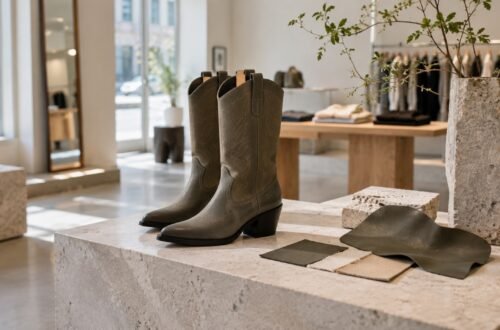
Innovation is also happening in leather alternatives. Companies are experimenting with materials derived from plant waste, fungi and other biological sources. Some aim to recreate the appearance and performance of animal leather, while others are developing entirely different textures and finishes. The challenge is making these materials durable, commercially scalable and suitable for the expectations of luxury customers.
The difficult part is not simply inventing a new material. It is making one that luxury brands can actually use.
A material must meet demanding standards for quality, appearance, durability and consistency. It also needs a reliable supply chain and a price that makes commercial sense. And being plant-based or bio engineered does not automatically make a material environmentally better. Its impact depends on how it is produced, the resources it consumes and how long the finished product lasts.
For luxury brands, this creates an opportunity to rethink materials without abandoning the craftsmanship and quality on which their reputations were built.
The next generation of luxury may still include silk, leather and other traditional materials. But alongside them, we could see new fibers and bio engineered alternatives becoming part of the industry’s material vocabulary.
The real question is no longer just what a luxury product is made of, but what its material could become.