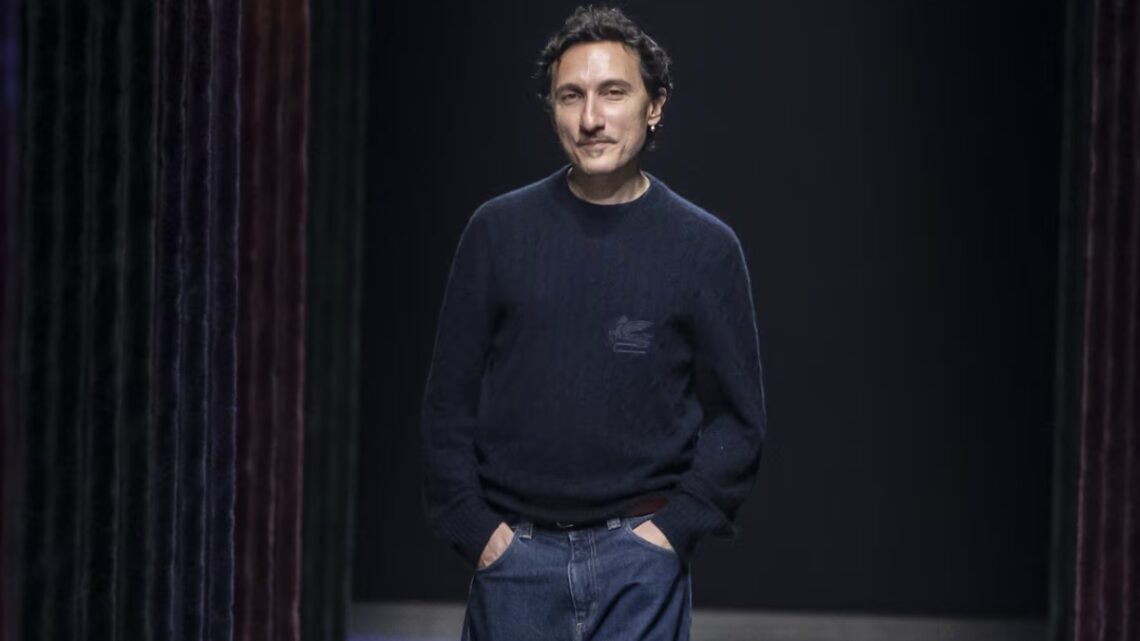
Walk into a luxury boutique today and handbags often receive more attention than the clothing itself. They sit under focused lighting, carefully arranged beside fragrances and jewelry because they have become one of the most important parts of modern luxury business. That is why Givenchy’s appointment of Marco De Vincenzo as Head of Leather Goods Design feels more significant than a routine creative change.
Luxury consumers today do not buy handbags only for functionality. They buy them because handbags travel through everyday life. They appear in airports, restaurants, office spaces, and social media photos, quietly becoming part of personal identity. A runway look may last one season, but a successful handbag can remain culturally relevant for years.
Marco De Vincenzo is known for combining craftsmanship, texture, and expressive design in ways that feel artistic without losing wearability. That balance matters because luxury brands increasingly face pressure to create products that work both online and offline. A bag today must feel visually distinctive on Instagram while also fitting naturally into someone’s daily routine.
The appointment also reflects a wider shift happening across luxury fashion. For years, the industry focused heavily on runway spectacle and celebrity-driven marketing. Now many brands are quietly returning focus toward product itself. Consumers have become more selective. They compare craftsmanship, durability, emotional value, and even resale potential before purchasing.
For Givenchy, strengthening leather goods could help create stronger long-term brand recognition. The most successful luxury bags eventually stop feeling like products and start feeling like symbols connected to a fashion house’s identity.
That may be the real meaning behind this appointment. The future of luxury may not belong only to dramatic runway moments. It may belong to the brands capable of creating products people continue carrying long after trends disappear.