A few years ago, ordering a drink at a social gathering required very little thought. Beer, wine, cocktails, or spirits were often the default options. Today, that assumption is becoming less certain. Walk through a supermarket, airport lounge, or convenience store and you will find a growing number of beverages promising hydration, gut health, energy, vitamins, and wellness benefits. What looks like a new product trend is actually a reflection of something much larger: a change in how people think about health, lifestyle, and social identity.
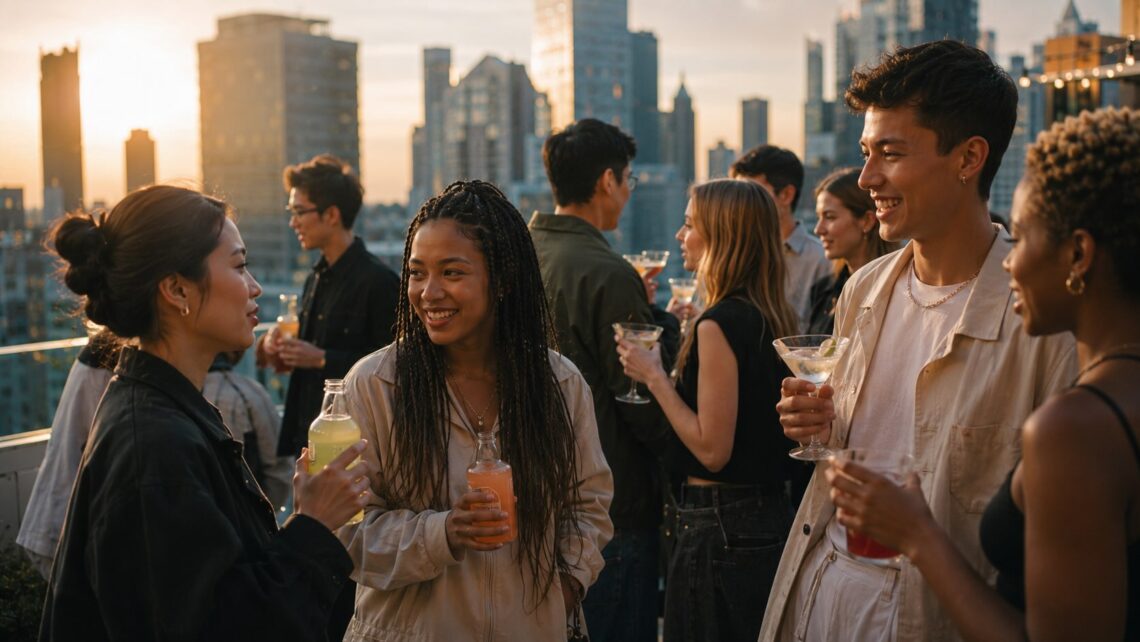
One of the most important consumer shifts of the past decade has been the changing relationship younger generations have with alcohol. Gen Z consumers are not necessarily rejecting alcohol entirely, but many are drinking less frequently than previous generations. They are more conscious of wellness, recovery, mental health, and long-term wellbeing. As a result, alcohol is gradually becoming one choice among many rather than the automatic centerpiece of social life.
This shift has created an opportunity for a new generation of beverage companies. Brands such as Poppi and Olipop have built rapidly growing businesses by offering products associated with gut health, lower sugar content, and functional ingredients. What makes these brands particularly interesting is that they are not marketed like traditional health products. They are colorful, culturally relevant, and deeply connected to lifestyle. Consumers are not simply buying a beverage. They are buying into an identity and a set of values.
That distinction may explain why Kylie Jenner’s recent move into functional beverages attracted so much attention. Her launch of K2o, a hydration-focused drink containing electrolytes, collagen peptides, and hyaluronic acid, signals more than product diversification. It reflects an understanding that consumers increasingly want beverages that fit seamlessly into wellness routines. The aspiration is no longer just enjoyment. It is optimization, balance, and self-care.
For alcohol companies, this creates a challenge that extends beyond product innovation. The issue is not that consumers suddenly dislike alcohol. The issue is that cultural relevance is shifting. A generation raised on social media increasingly expects brands to stand for something larger than consumption. They look for community, identity, transparency, and experiences. The product itself remains important, but it is often the culture surrounding the product that determines whether a brand remains relevant.
This is why many alcohol companies are evolving their strategies. Some are focusing on premiumisation, recognizing that consumers may drink less but are willing to spend more on higher-quality products. Others are investing heavily in alcohol-free alternatives and wellness-oriented beverages. Many are strengthening partnerships with fashion brands, musicians, artists, and cultural events to remain connected to consumers beyond the act of drinking itself.
What I find most fascinating is how the competitive landscape has changed. The beverage industry’s biggest competitors are no longer necessarily other alcohol brands. Increasingly, alcohol competes with hydration drinks, wellness beverages, functional sodas, and products designed to support healthier lifestyles. The competition is shifting from beer versus beer to alcohol versus wellness. From consumption versus self-improvement. From products designed for occasions to products designed for everyday life.
The broader lesson extends well beyond the beverage industry. Whether it is Rhode in beauty, Poppi in beverages, or other modern consumer brands, the same pattern continues to emerge. Products may create transactions, but communities create longevity. Consumers increasingly align themselves with brands that reflect how they want to live, not simply what they want to buy.
For alcohol companies, the most important question may no longer be how to sell more drinks. The more pressing question is how to remain culturally relevant in a world where drinking is no longer at the center of social life. The brands that answer that question successfully are likely to shape the future of beverage culture for the next decade.