Why India’s Cultural Capital Is Becoming Fashion’s Next Opportunity
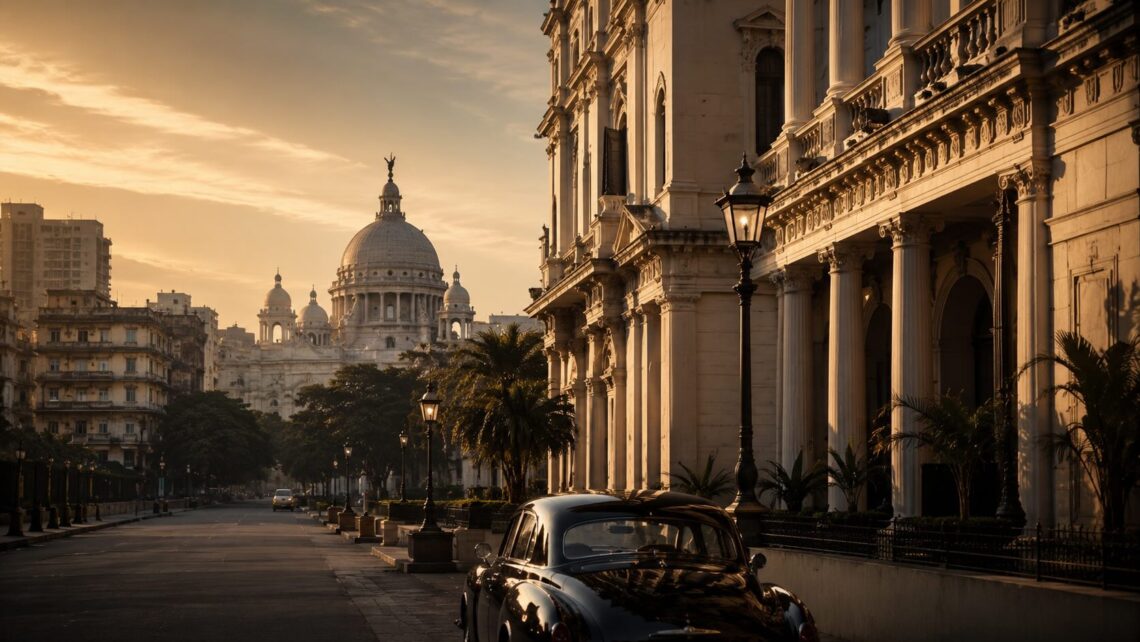
For years, luxury expansion in India followed a familiar route. Mumbai came first, followed by Delhi, and then growing attention shifted toward cities like Bengaluru and Hyderabad. Kolkata rarely appeared at the center of those conversations. The city was usually associated with literature, heritage architecture, art, and cultural identity rather than luxury retail.
Yet beneath that perception, another story has been developing quietly.
Kolkata may not be India’s loudest luxury market, but it may be becoming one of its most interesting ones. Unlike cities where luxury often revolves around visibility and fast consumption, Kolkata has historically followed a different language. Wealth existed, but it rarely demanded attention. Handwoven textiles, heirloom jewellery, craftsmanship, and objects with cultural meaning often mattered more than obvious status symbols.
Quiet Luxury Meets a Changing Consumer
Luxury in Kolkata traditionally leaned toward discretion. Consumers often valued heritage and substance over visibility. But consumer behavior rarely stays fixed.
A younger generation shaped by international education, digital culture, and global exposure is beginning to introduce new patterns. Luxury handbags, contemporary fashion brands, and statement accessories increasingly sit alongside traditional preferences.
What makes this transition interesting is that Kolkata is not abandoning its original values. The city is simply expanding its idea of luxury.
Quiet luxury and visible luxury are beginning to coexist.
The Infrastructure Gap
Despite growing interest, one challenge remains difficult to ignore: accessibility.
Many global luxury brands concentrated their early investments elsewhere, building dedicated retail environments in cities such as Delhi and Mumbai. Luxury ecosystems developed around malls, hospitality, dining, and lifestyle experiences.
Kolkata largely remained outside that development cycle.
The issue is not necessarily consumer purchasing power. Rather, it is infrastructure. Luxury rarely succeeds through isolated stores alone. It grows through environments where shopping becomes part of a larger cultural and social experience.
As a result, many consumers still rely on international travel, personal shopping networks, or online platforms for luxury purchases.
The contradiction becomes clear. Desire exists, but access remains limited.
Craft Could Become Kolkata’s Biggest Strength
Perhaps Kolkata’s greatest advantage lies somewhere else entirely.
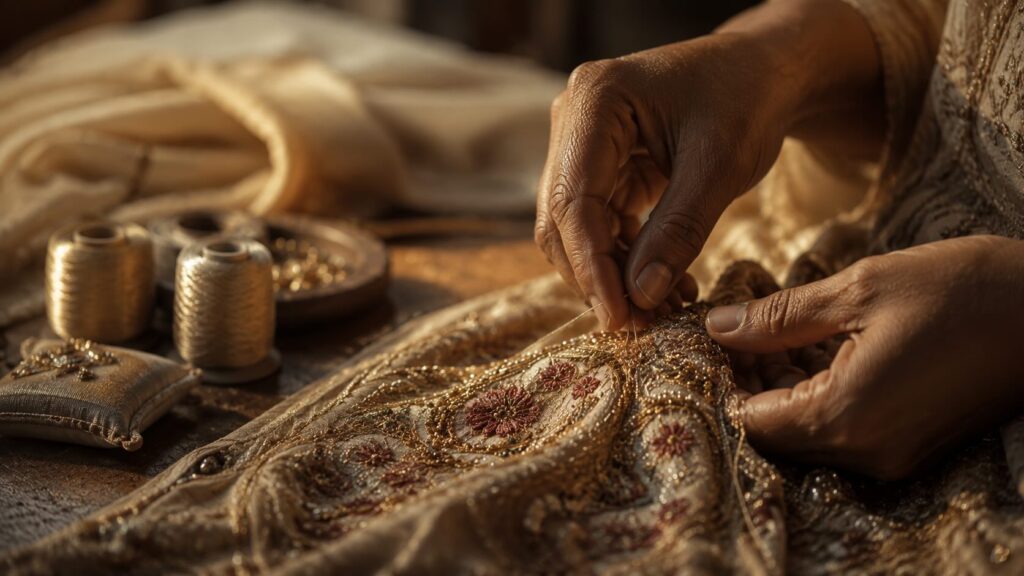
Fashion today increasingly values storytelling, craftsmanship, and authenticity. Interestingly, these are qualities Kolkata already possesses naturally. The city has long maintained strong relationships with textiles, artistic traditions, embroidery, and creative culture.
Consumers increasingly ask deeper questions:
- Who made this?
- What craftsmanship exists behind it?
- What story does the product carry?
These questions align closely with Kolkata’s consumer mindset.
Gucci, Dior and Burberry: Three Different Paths Through Luxury’s Slowdown