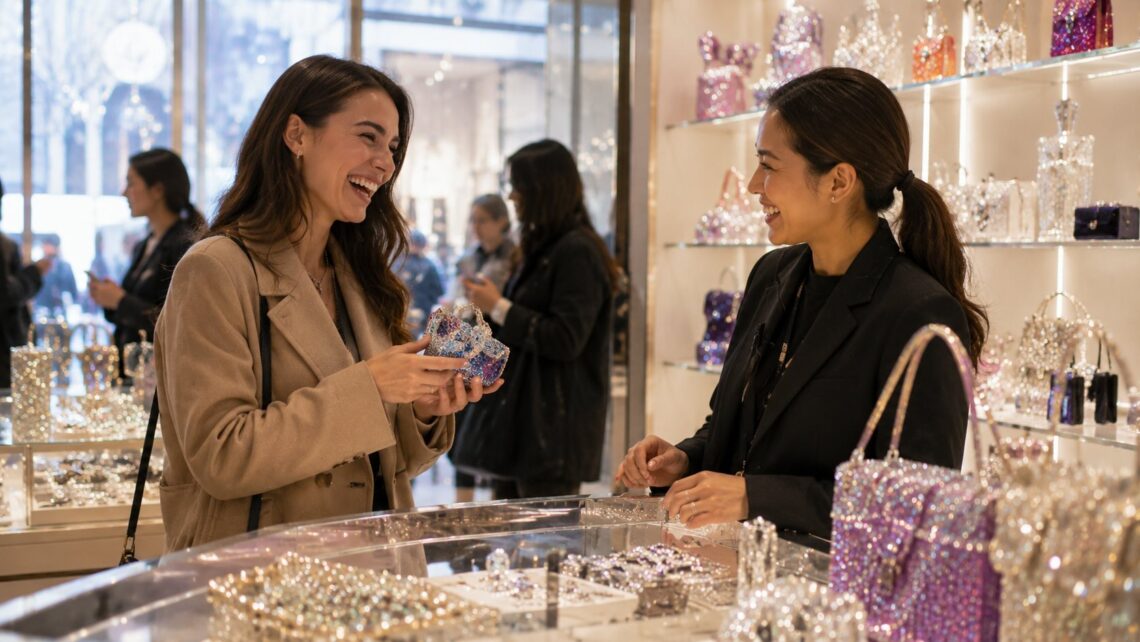
For decades, luxury has followed a familiar formula. Exclusive boutiques. Long waiting lists. Serious advertising campaigns. The idea that the more difficult something is to access, the more desirable it becomes.
But while reading an interview with Swarovski CEO Alexei Nasard, one phrase caught my attention: “Pop Luxury.”
Not because it sounds trendy.
Because it challenges one of the industry’s oldest assumptions.
Nasard argues that luxury does not need to be stiff, intimidating, or distant. Instead, he describes a version of luxury that combines traditional credentials—heritage, craftsmanship, creativity, and quality—with something many luxury brands rarely emphasize: joy.
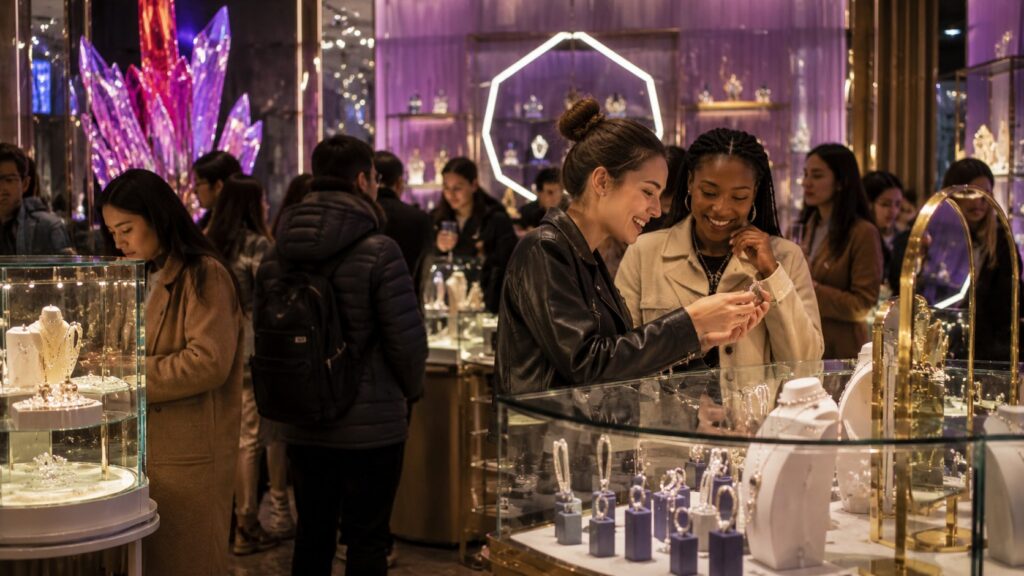
That idea feels increasingly relevant today.
Consumers still appreciate craftsmanship and heritage. Those foundations remain important. But younger consumers are also looking for brands that feel approachable, expressive, and connected to contemporary culture. They want luxury that fits naturally into their lives rather than luxury that demands they adapt to its rules.
This may explain why some brands continue to grow while others struggle to remain culturally relevant. The strongest luxury brands today do more than preserve history. They actively participate in the present. They collaborate with artists, engage with digital culture, embrace color, and create products that feel emotionally engaging rather than purely aspirational.
What I find most interesting is that Nasard does not reject traditional luxury values. He simply argues that they are no longer enough on their own.
Heritage matters.
Craftsmanship matters.
Quality matters.
But consumers also care about how a brand makes them feel.
The interview also highlighted something often overlooked in luxury discussions: the customer experience. Nasard spoke about treating customers with respect, avoiding unnecessary barriers, and recognizing that value for money still matters. That perspective contrasts with the belief that exclusivity alone creates desirability.
Perhaps the most important insight is that luxury’s ultimate purpose is not status.
It is emotion.
People rarely remember the technical specifications of a product. They remember how it made them feel when they bought it, wore it, gifted it, or experienced it.
That is why the phrase “pop luxury” stayed with me.
It suggests that the future of luxury may not be about becoming more exclusive or more intimidating. It may be about combining craftsmanship and heritage with relevance, accessibility, and joy.
Because in the end, luxury is not just about owning something valuable.
It is about feeling something valuable.
Why Human Made’s Planned Acquisition of Undercover Is About More Than Business




One comment on “What If Luxury Is Supposed to Be Fun?”