By Shubham Kumar
The fragrance industry is becoming an increasingly important part of the luxury business, and Puig has made a major move to strengthen its position. The Spanish beauty group has agreed to acquire a 75% stake in Artessence Group, the company behind French fragrance houses Parfums de Marly and INITIO Parfums Privés, for approximately €1.2 billion.
Announced on 27 November 2026, the transaction values Artessence at around $1.9 billion. Its founder, Julien Sprecher, will retain a 25% stake through his holding company, allowing him to remain involved in the next stage of the brands’ development. The deal is expected to close in the second quarter of 2027, subject to regulatory and other approvals.
Two Different Approaches to Niche Perfumery
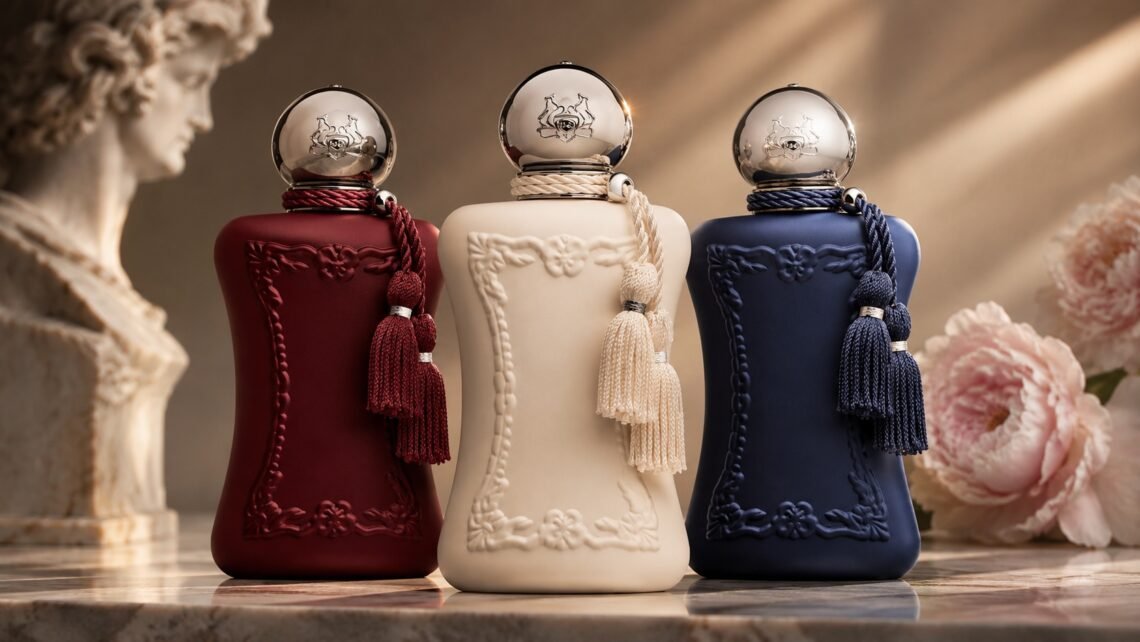
Founded in 2009 by Julien Sprecher, Parfums de Marly takes inspiration from 18th-century French royal heritage. Its fragrances combine historical references with contemporary perfumery. Delina, Layton and Valaya have become some of its recognised creations.
INITIO Parfums Privés, established in 2015, follows a different direction. The brand explores the emotional and sensory influence of fragrance, building its identity around distinctive compositions such as Oud for Greatness, Side Effect and Musk Therapy.
Both brands have developed international audiences, particularly in North America, Europe and the Middle East.
Why Puig Is Making This Move
Puig already has an established fragrance portfolio that includes Byredo, Penhaligon’s, L’Artisan Parfumeur and Dries Van Noten, alongside fashion and beauty brands such as Carolina Herrera, Rabanne and Jean Paul Gaultier.
The acquisition strengthens its position in niche perfumery, one of the priority growth areas under its Vision 2032 strategy. Rather than developing two new fragrance businesses from the beginning, Puig is investing in brands with established identities, international distribution and proven commercial performance.
Artessence is expected to generate between $420 million and $440 million in revenue and $180 million to $190 million in EBITDA during its 2026-27 financial year.
What Happens Next?
Puig plans to allow both fragrance houses to operate with a high degree of independence in the medium term, preserving their individual identities and creative direction. Over time, they will gain access to Puig’s international distribution network and operational capabilities.
For me, the interesting part of this acquisition is what it says about the value of niche perfumery today. Fragrance houses that once operated outside the traditional fashion and beauty groups are becoming important strategic assets.
Consumers are exploring more specialised fragrances, distinctive compositions and brands with their own identities. Major beauty groups are responding by investing in the businesses already building those connections.
Puig’s €1.2 billion investment is not simply about acquiring two perfume brands. It is a bet on where the next stage of luxury fragrance growth will come from.