What 20 Years of the Influencer Economy Taught Me About Voice, Luxury, and Losing the Plot
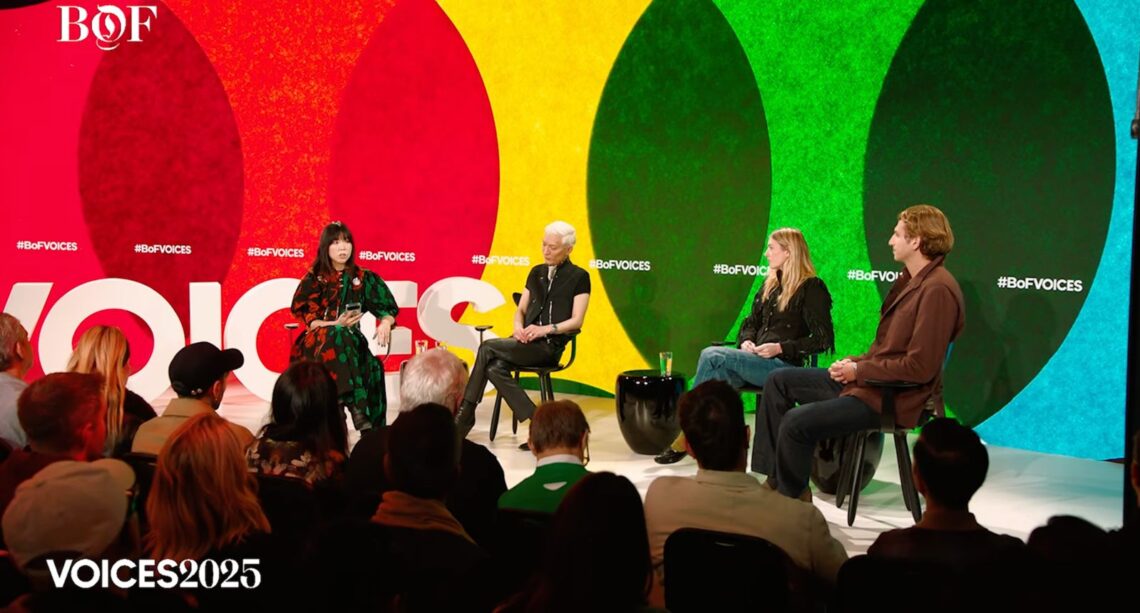
I watched Examining 20 Years of Fashion’s Influencer Economy expecting another familiar conversation about authenticity, platforms, and content. Instead, it felt like a quiet reckoning with how fashion media, influence, and luxury slowly drifted away from their original meaning.
What stayed with me most was how unintentional the influencer economy really was at the beginning. Early fashion bloggers were not building brands or chasing monetisation. They were writing because they had no access, no permission, and no stake in the system they admired from a distance. There were no agencies, no briefs, no KPIs. Just curiosity, obsession, and a point of view.
That freedom created trust.
People followed these voices not because they were polished, but because they were honest. They felt human. They spoke without fear because they believed no one important was listening. Ironically, that is exactly why everyone eventually did.
As the industry noticed, money followed. And when money arrived, structure followed with it. Agencies, talent representation, approval processes, and increasingly rigid brand control transformed influence into a formalised system. What once felt like conversation slowly became advertising space.
The problem is not monetisation itself. The problem is what gets lost when voice is replaced by compliance.
Audiences are not passive. They sense immediately when a creator stops sounding like themselves. No algorithm can hide that. The panel made it clear that influence does not come from reach alone, but from continuity. When a voice stays consistent over years, trust compounds. When it fractures, no budget can repair it.
Another idea that resonated deeply was responsibility. Twenty years ago, creators were speaking into the void. Today, every post carries weight. With visibility comes accountability. Not every opinion needs to be broadcast. Not every trend deserves reaction. In a culture driven by outrage and engagement, restraint becomes a form of integrity.
This is where the conversation around luxury became especially uncomfortable and honest.
Fashion and luxury are no longer the same thing. Fashion thrives on speed, volume, and visibility. Luxury relies on distance, desire, and restraint. When luxury becomes omnipresent, it stops being aspirational. Overexposure erodes meaning. If everything is everywhere, nothing feels special.
Influencers are often blamed for this, but the truth is more complex. Creators are a line item, not decision makers. They communicate what brands choose to amplify. The deeper issue is an industry that mistakes visibility for value and storytelling for substance.
What cannot be marketed into existence is craft.
Strong storytelling cannot save a weak product. No amount of influence can compensate for lack of substance. The most powerful insight from the discussion summed it up perfectly: consumers are getting smarter, products are getting dumber. That gap is widening, and audiences feel it.
What this conversation ultimately revealed is that the future of fashion and luxury will not be decided by platforms, formats, or trends. It will be decided by courage. The courage to say less. To make better things. To protect voice. To treat audiences as intelligent participants rather than targets.
Influence began as freedom. Luxury began as restraint. Perhaps the way forward is remembering both.