
LVMH’s investment arm, LVMH Luxury Ventures, has taken a minority stake in BDK Parfums, one of France’s fastest-rising niche fragrance houses. It is a small deal on paper, but a very telling one. Luxury groups rarely move without strategy, and this investment signals where the next wave of beauty growth is coming from.
BDK has grown quickly since its founding in 2016. The maison has expanded into 45 markets, posted double-digit annual growth, and built a strong reputation across Europe for modern storytelling and textured, emotional scents. What stands out is how grounded it remains in Parisian perfumery, while building a global audience that cares about uniqueness rather than brand name alone.
China has become one of BDK’s strongest regions. Since 2023, the brand has entered SKP-S in Beijing, Xi’an, and Chengdu, and later expanded into retailers like DT51 and Harmay. Today, BDK is present in Beijing, Shanghai, Chengdu, Guangzhou, and Wuhan, positioning itself in the high-end salon niche with prices ranging from 50 to 270 euros. Chinese consumers have responded to its style: artistic, modern, and not overly commercial.
This rise mirrors a much larger shift in global beauty. The niche fragrance category is no longer niche. It has become the most dynamic part of the entire fragrance market, with higher margins, stronger customer loyalty, and deeper emotional value. Recent moves by the major beauty groups confirm this. L’Oréal invested in AMOUAGE and China’s tosummer; Estée Lauder invested in Xinú; L’OCCITANE acquired Dr. Vranjes; and USHOPAL funded Chinese maison Documents.
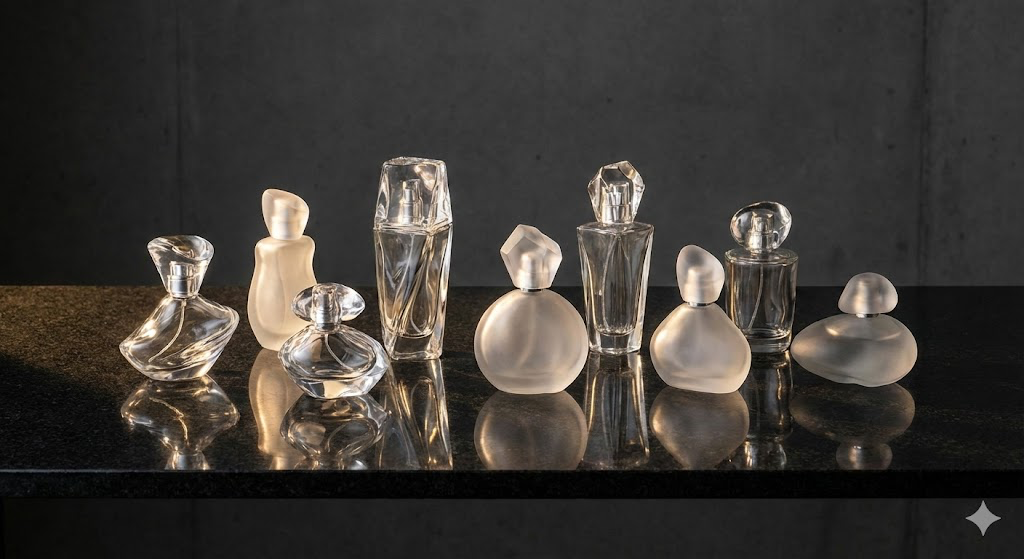
Behind these moves is the same market signal: consumers want fragrances that feel personal, crafted, and rooted in identity. They want stories, not slogans. They want bottles that feel like objects, not products. The growth numbers reflect this mindset. China’s fragrance market, valued at 1.24 billion dollars in 2024, is expected to reach more than 3 billion dollars by 2030. Its growth will outpace the overall beauty sector.
My take: LVMH’s investment is not about expanding its fragrance portfolio. It is about owning the future of scent itself. As mass prestige softens and younger shoppers reject predictable formulas, niche becomes the new luxury standard. By supporting BDK early, LVMH positions itself in a market where creativity, craftsmanship, and individuality matter more than scale.
This is a long-term play. A signal that the next era of fragrance will be shaped not by volume, but by voice. And maisons like BDK, built on clarity and intention, are exactly where that shift begins.


One comment on “Why LVMH Is Betting on Niche Fragrance”