
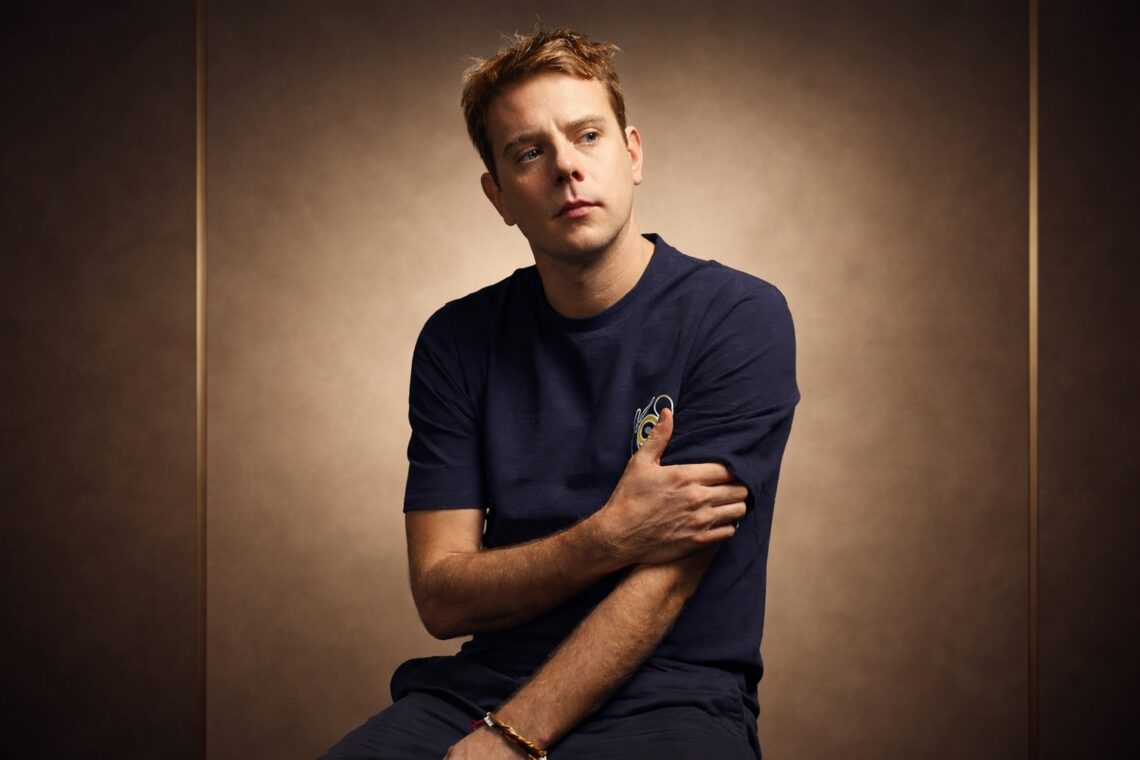
House of Dior | The BoF Podcast”
Today I listened to Jonathan Anderson on Refashioning the House of Dior on the BoF Podcast and it left me thinking deeply about fashion, craft, and creative transformation.
From the very beginning, Imran Ahmed sets the scene Jonathan Anderson has just shown his first couture collection for Dior, and it’s one of the most anticipated creative moments this year. Right away I sensed the weight of history behind this moment not just a show, but a culmination of a decade-long journey from JW Anderson to Dior.
As Jonathan speaks, what stands out most is how honest and human he is about his experience. He admits that a few years ago he might have dismissed couture as irrelevant — he didn’t understand the glamour or hierarchy around it. But stepping into Dior’s ateliers changed his perspective completely. He describes it as doing a “PhD in couture,” learning from master artisans every day, and slowly discovering the emotional heart of making by hand.
What I find fascinating is his view of couture not as an elitist spectacle, but as an endangered craft that needs preserving. For him, couture isn’t just beautiful clothes — it’s a living tradition of skilled making, a kind of cultural heritage that could disappear without houses like Dior protecting it.
When he talks about how the atelier works, I can almost picture it a mini-city of specialists, each person deeply focused on one skill, like pleating or embroidery, and committed to it for the life of a look. He’s intimidated by their dedication, and yet also inspired by it. This idea that real craft demands patience, focus, and time stayed with me long after listening.
One of the most vivid parts of the conversation is when he describes his first creative spark at Dior a simple vase by his friend Magdalene Odundo. He saw in it a silhouette that felt like a body, like movement. He sketched it, awkwardly at first, and that became a foundation for shapes that later entered ready-to-wear and couture alike. It reminded me that creativity often begins with curiosity, even something small or imperfect.
He also spoke about expanding traditionally narrow ideas of couture by including jewelry, accessories, and even materials like meteorites elements that give the collection meaning beyond clothing alone. What struck me most was how he thinks about access to couture: not just through the elite runway show, but by turning the space into an exhibition open to students, art lovers, and the general public. He believes people should touch, see, and understand the labor behind couture not just look at a flat image on a screen.
Another theme that kept returning was balance between heritage and innovation, between clients who love Dior’s past and new audiences looking for fresh expression, and between the pressures of business versus the creative impulse. Jonathan said something simple but profound: you have to remind yourself why you started and what you truly want to say through your work. He knows there will be good days and bad days, but part of the creative journey is staying present in the discomfort of not knowing what’s next.
Near the end of the podcast, I was moved when he talked about meeting his hero, John Galliano, early in the process. Galliano came with wildflowers and even snacks for the team, and that mix of playfulness and sincerity gave Jonathan a sense of grounding a reminder that fashion isn’t just ideas on paper, it’s emotion, memory, and connection.