
What This Leadership Move Means for the Brand
Diesel has appointed Andrea Rigogliosi as its new Chief Executive Officer. The decision comes at a time when the brand is enjoying renewed cultural visibility and a clearer creative identity, shaped by the work of Glenn Martens.
Rather than indicating a shift in direction, this appointment suggests something more measured. Diesel is not redefining itself. It is reinforcing the structure around a direction that is already in place.
A Leadership Change Focused on Stability
Rigogliosi’s appointment is significant because he comes from within OTB Group, Diesel’s parent company. OTB is known for promoting internal leadership when a brand’s creative vision is working. This approach prioritises continuity and long-term alignment over disruption.
Internal appointments often signal stability. In Diesel’s case, the brand does not require reinvention. Its image is clear, its messaging is confident, and its collections have regained visibility. What the brand needs now is consistency, operational clarity, and the ability to grow globally without losing its identity.
Rigogliosi’s experience within OTB positions him well to manage these priorities while supporting Diesel’s existing creative momentum.
Diesel’s Creative Momentum Under Glenn Martens
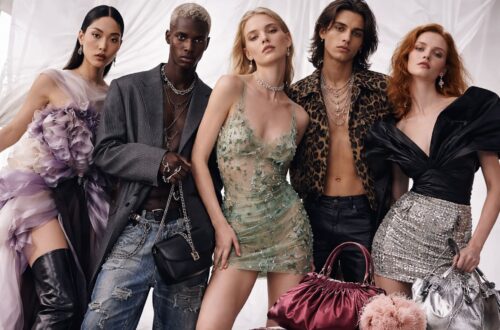
Over recent seasons, Diesel has re-entered the cultural conversation. Bold runway shows, experimental denim, and a strong connection to youth culture have reshaped the brand’s presence. Glenn Martens has given Diesel a creative language that feels provocative, inclusive, and unmistakable.
This momentum has restored relevance, but relevance alone does not guarantee long-term success. Fashion history shows that brands often struggle after a creative revival. Turning attention into sustainable growth requires disciplined leadership and clear execution.
This is where the CEO role becomes central.
Why This Matters in the Fashion Industry
Diesel occupies a specific position within fashion. It sits between luxury and premium, between heritage and culture. It is neither fast fashion nor traditional luxury. Its value lies in attitude, relevance, and authority in denim.
Because of this positioning, Diesel requires careful leadership. Too much control risks limiting creativity. Too little structure weakens execution. By appointing a CEO with deep group knowledge, OTB reinforces a leadership model increasingly used across fashion groups: creative freedom supported by strong internal management.
This reflects a broader industry shift as brands respond to rising costs, market uncertainty, and more selective consumers.
A Signal of Confidence, Not Crisis
Leadership changes are often interpreted as warning signs. In this case, the message appears different. Diesel’s appointment signals confidence in the brand’s current direction and a desire to professionalise growth rather than reset strategy.
With Glenn Martens shaping the creative vision and Andrea Rigogliosi overseeing execution and scale, Diesel enters its next phase with clearer roles and responsibilities.
Closing Thought
This decision is less about change and more about alignment. Diesel has regained relevance. The focus now is on longevity.
In an industry where many brands rise quickly and fade just as fast, Diesel’s leadership structure suggests an effort to build something more durable. Whether this balance between creativity and execution delivers lasting brand equity will become clearer in the seasons ahead.