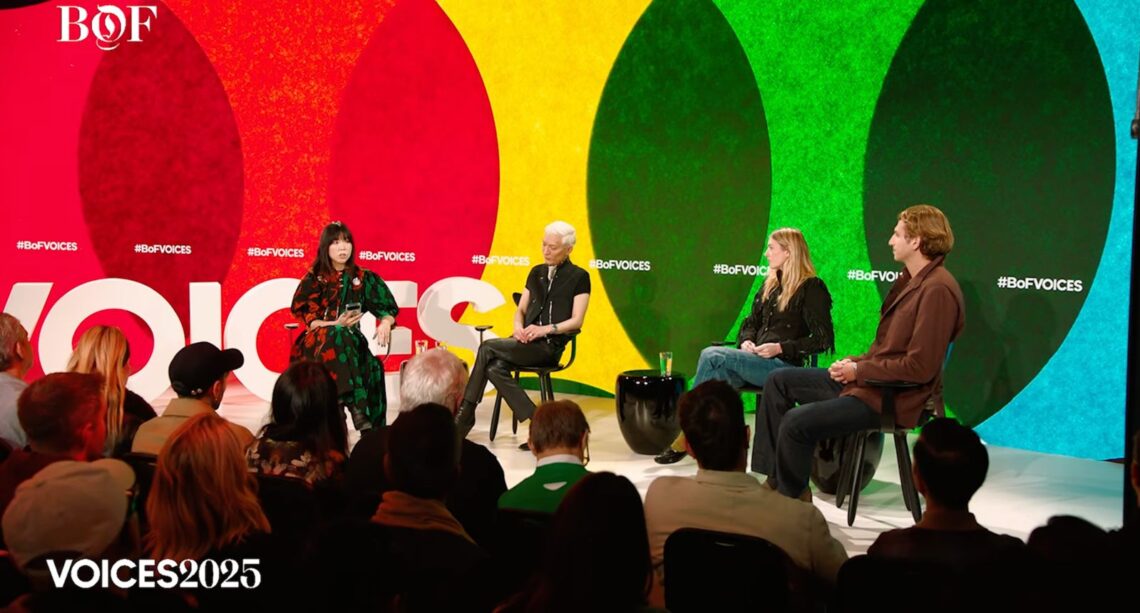
What 20 Years of the Influencer Economy Taught Me About Voice, Luxury, and Losing the Plot I watched Examining 20 Years of Fashion’s Influencer Economy expecting another familiar conversation about authenticity, platforms, and content. Instead, it felt like a quiet reckoning with how fashion media, influence, and luxury slowly drifted away from their original meaning. What stayed with me most was how unintentional the influencer economy really was at the beginning. Early fashion bloggers were not building brands or chasing monetisation. They were writing because they had no access, no permission, and no stake in the system they admired from a distance.…
-
-
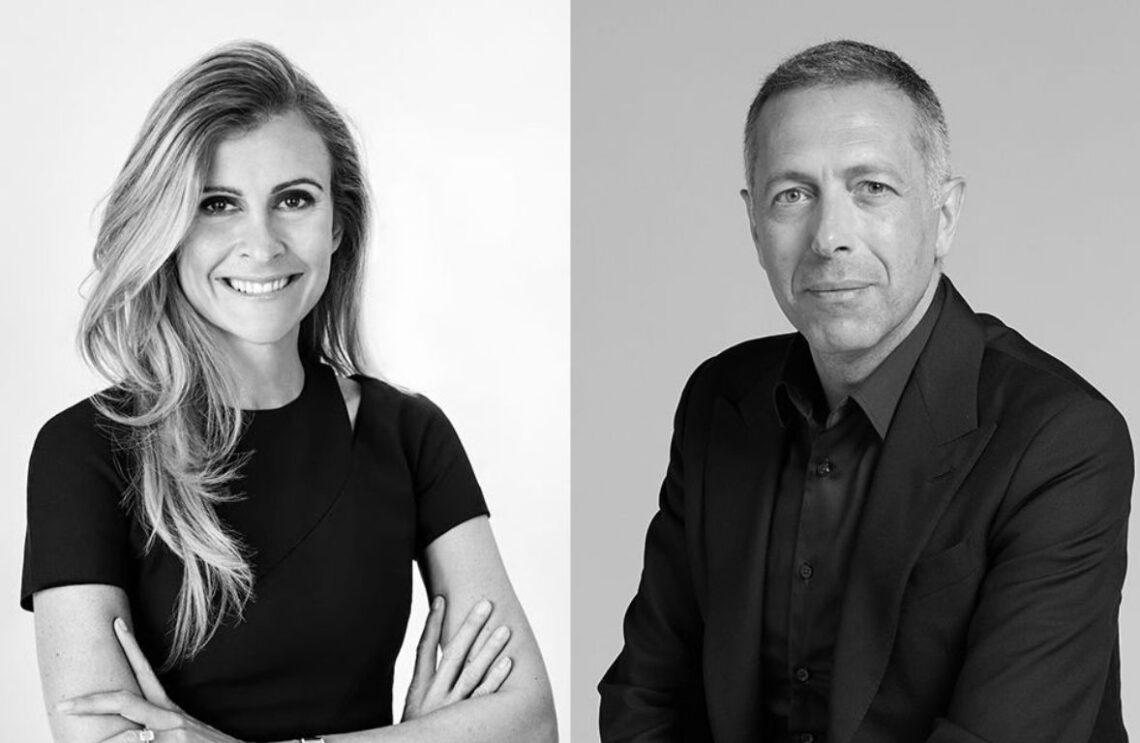
Leadership changes in luxury often happen quietly, but they usually signal something deeper. Givenchy’s appointment of Amandine Ohayon as its new Chief Executive Officer is one of those moments that deserves attention, not for its drama, but for what it suggests about the Maison’s next phase. Ohayon replaces Alessandro Valenti, who exits after just 18 months to take on a senior role at Christian Dior Couture. On the surface, this looks like a routine internal move within LVMH. In reality, it reflects a careful recalibration of priorities at Givenchy and a broader shift in how the group is managing its…
-
Fragrance is no longer a single signature for younger consumers. For teens and Gen Z, scent has become flexible, emotional, and situational. It is layered, rotated, and worn differently depending on mood, time of day, or social context. Perfume is no longer about committing to one identity. It is about responding to the moment. Recent data from Cafeteria highlights how deeply this behavior has taken root. Forty-four percent of female consumers own six or more fragrances. This alone signals a shift. Fragrance is now collected rather than chosen once. It functions more like a wardrobe than a personal stamp. What…
-
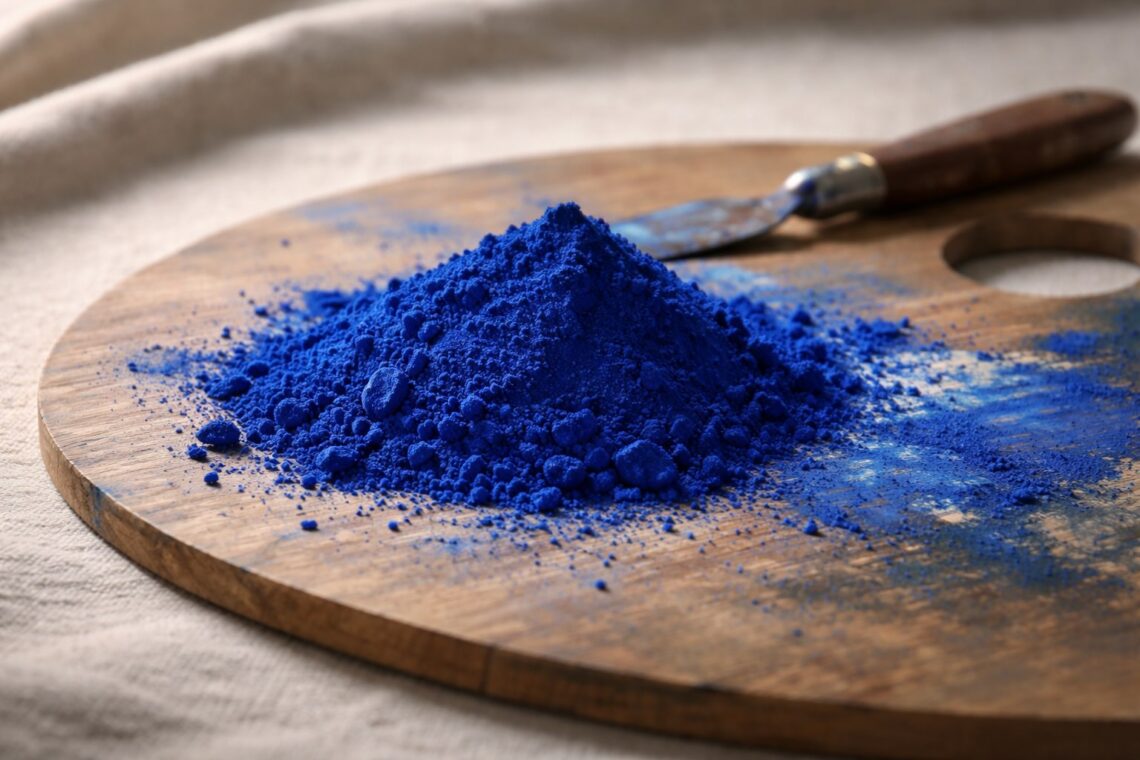
Ultramarine blue is one of the few colors in art whose value existed long before it touched a canvas. Painters did not discover it by mixing earth or plants. Artisans pulled it from stone. Natural ultramarine comes from lapis lazuli, a semi-precious rock mined mainly in the Sar-e-Sang region of Afghanistan. These mines have supplied artists for thousands of years, making them one of the oldest material sources in art history. This origin alone sets ultramarine apart. It links painting to geology, trade routes, and time itself. Before becoming color, ultramarine was already rare, costly, and difficult to obtain. Ultramarine…
-
For a long time, Indian whisky sat outside the global luxury conversation. It dominated in volume but not in reputation. When people spoke about great whisky, the references were fixed and familiar: Scotland, Ireland, the United States. India was rarely included, especially at the premium end. Indri marks a shift in that perception. What stands out to me about Indri is not speed or ambition, but intention. It did not try to imitate Scotch or borrow credibility from established regions. Instead, it leaned into its reality: Indian climate, Indian barley, and a slower, more demanding process. Most whisky produced in…
-
Wine & Spirits Art, Nature, and Savoir-Faire in Conversation LVMH’s Maison Ruinart has always treated contemporary art as part of its identity, but its latest collaboration with Chinese artist Liu Bolin feels especially meaningful. Rather than a standard artistic partnership, this residency explores how humans and nature coexist, and how creativity can make that relationship visible again. Liu Bolin, widely known as “The Invisible Man,” travelled to the Maldives for a dedicated residency with Ruinart. His signature approach is camouflage painting, blending his body into landscapes so the environment becomes the foreground. In the Maldives, he used the islands’ colours,…
-
The Louis Vuitton Repair Workshop is one of the places where I see the true meaning of luxury. It is quiet, precise and fully centred on savoir-faire. Every item that arrives carries a story, and the workshop exists to protect that story with care and craftsmanship. What stays with me is how personal these repairs are. A vintage Keepall that has travelled with someone for decades. A handbag passed down from a mother to her daughter. A wallet that holds memories of daily life. None of these pieces are just products. They are part of someone’s history, and the workshop…
-
India’s fashion market is going through a major reset. Three forces are shaping this shift: billionaire-led conglomerates building luxury portfolios, Mumbai redefining its retail geography, and Myntra strengthening its position as the country’s digital fashion engine. Together, they reveal how India is preparing for the next decade of fashion growth. Why Conglomerates Are Buying Designer Brands Reliance Industries and the Aditya Birla Group are moving quickly to secure the country’s most influential designer labels. This isn’t a simple investment story. It’s a strategic acquisition of culture, aspiration, and creative authority. Designer brands carry emotional value, heritage, and craftsmanship. They also…
-
As COP30 opens in Belém, LVMH has shared an update on its environmental roadmap, LIFE 360. For a group of this scale, these updates matter. They reveal how the world’s largest luxury house is reshaping operations, supply chains and sourcing in response to climate reality. A Long-Term Environmental Vision LVMH has been building its environmental framework for more than thirty years. Each Maison has sustainability directors and local teams that monitor progress and roll out new practices. This structure is what allows the group to move steadily instead of reacting to trends. In stores, the change is visible. Energy use…
-
The new State of Fashion 2025 report from BoF and McKinsey paints a clear picture. The industry is entering a year shaped by uncertainty, price-sensitive consumers and very different growth paths across regions. The mood among executives is cautious. Many do not expect improvement this year, and some even anticipate further decline. Consumers feel the pressure of inflation and economic instability. They want value, not volume. At the same time, global trade is shifting, climate risks are intensifying and new purchasing habits are forcing brands to rethink old models. But the report also highlights where new opportunities are emerging, especially…