By Shubham Kumar
Some objects are made to be used. Others become part of design history. VENINI sits somewhere in between.
Founded in Murano in 1921 by Milanese lawyer Paolo Venini and Venetian antique dealer Giacomo Cappellin, VENINI began with an ambitious idea: to bring together the centuries-old knowledge of Murano glassmaking with the ideas of artists, architects and designers.
That philosophy still defines the house today. Every piece begins with glass, but its final character comes from the relationship between the designer and the master glassmaker. Working with molten glass requires precision, timing and experience. The material is constantly moving, leaving little room for error.
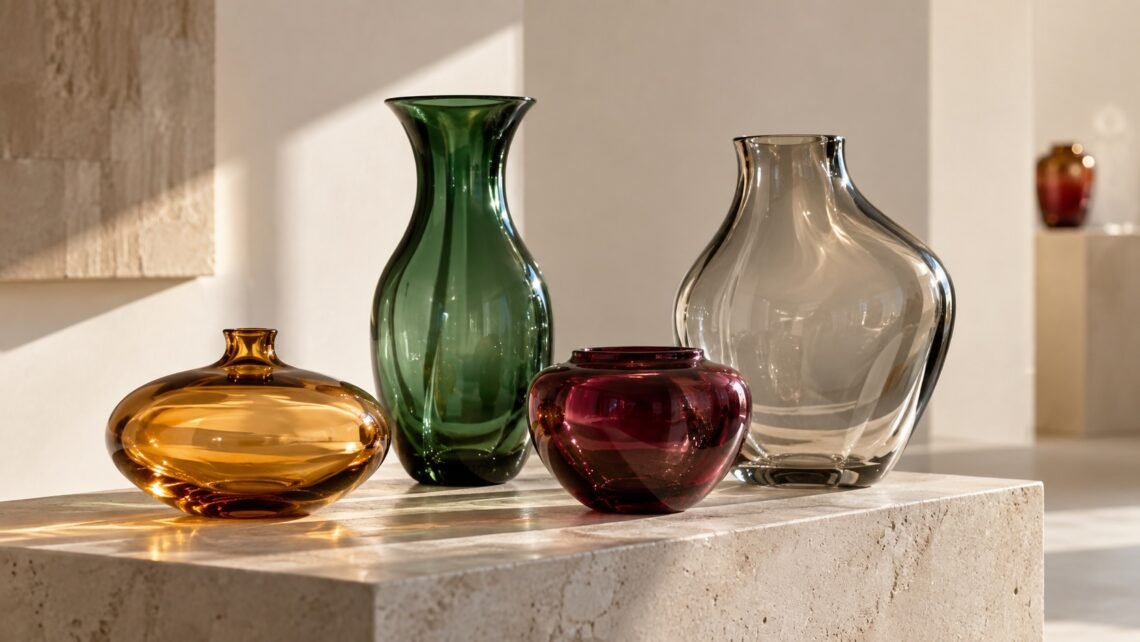
Over the years, VENINI has preserved and developed techniques including incalmo, murrine, sommersi, battuto, filigrana and zanfirico. These techniques allow the glassmakers to create intricate patterns, layers, textures and colour effects, often making each object feel closer to sculpture than decoration.
The artistic collaborations are equally important. VENINI has worked with some of the most influential names in design, including Carlo Scarpa, Fulvio Bianconi, Gio Ponti, Toni Zuccheri, Tapio Wirkkala, Massimo Vignelli, Vico Magistretti, Marco Zanuso and Alessandro Mendini.
Among them, Carlo Scarpa played a particularly important role. His work with VENINI between 1932 and 1947 explored new colours, forms and techniques, helping connect the ancient Murano tradition with modern design.
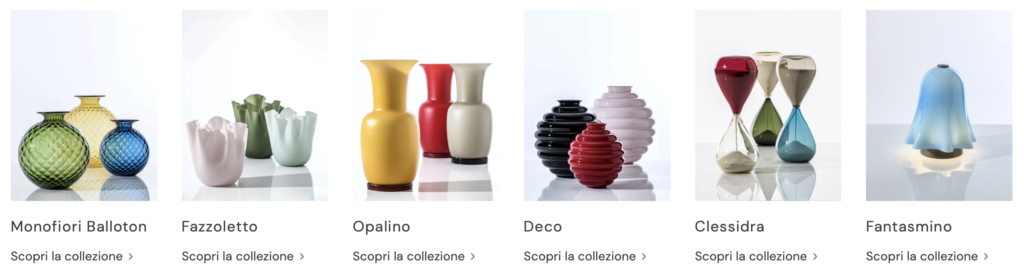
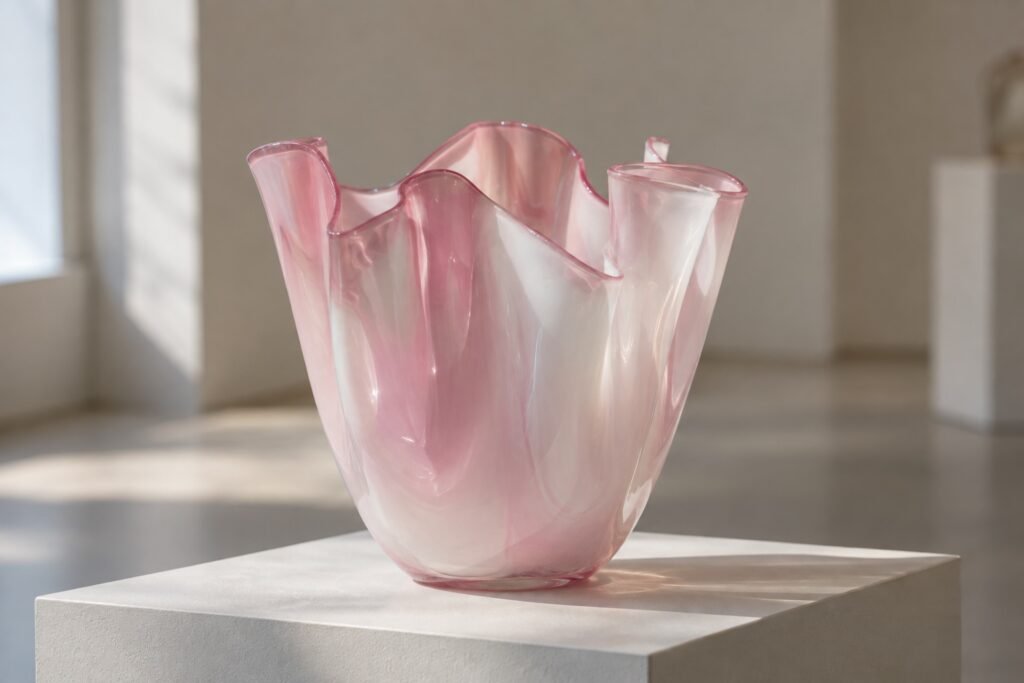
Fulvio Bianconi created some of VENINI’s most recognisable designs, including the Fazzoletto, whose irregular shape resembles a handkerchief caught by the wind. The Clessidra, created by Bianconi and Paolo Venini in 1957, is another example of how technical glassmaking can become an object of design.
Today, VENINI works are represented in major museum collections, including The Metropolitan Museum of Art and MoMA. Historical pieces have also become important collectors’ objects.
For me, this is what makes VENINI interesting within luxury. Its value is not simply in the glass. It comes from the combination of Murano heritage, craftsmanship, artistic authorship, experimentation and design.
When all of these come together, a glass object can become much more than decoration. It can become a piece of art, design history and, eventually, an heirloom.