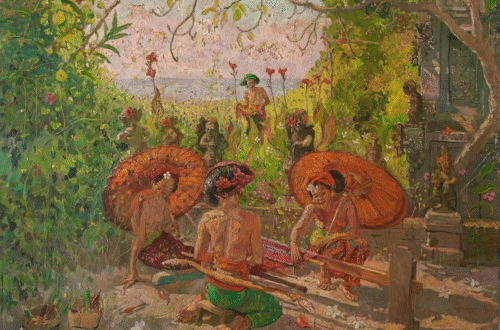
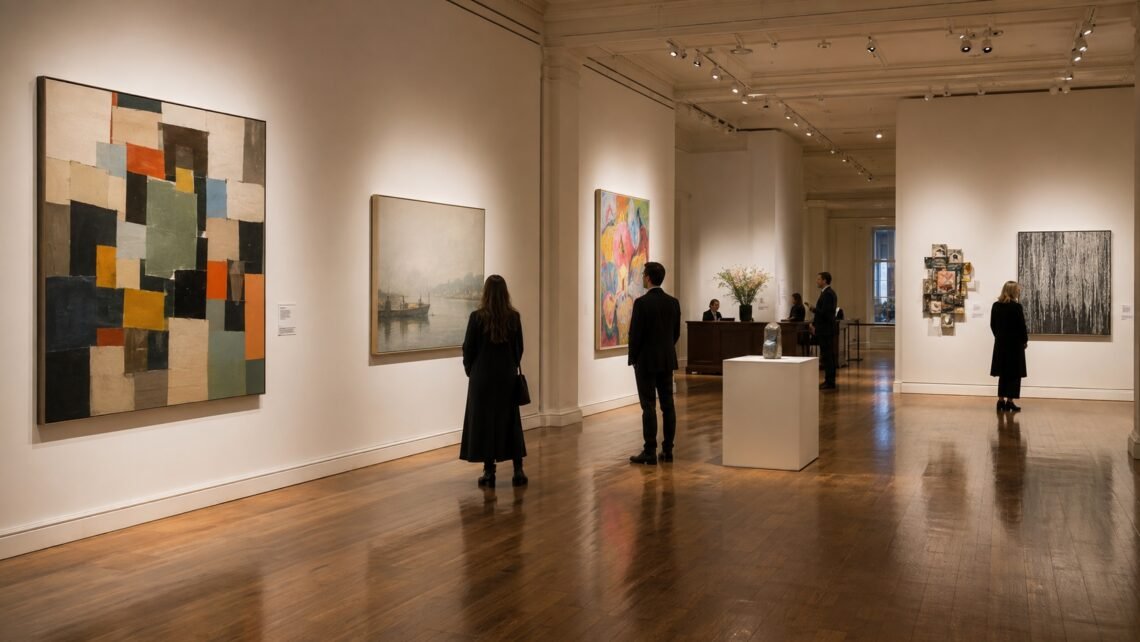
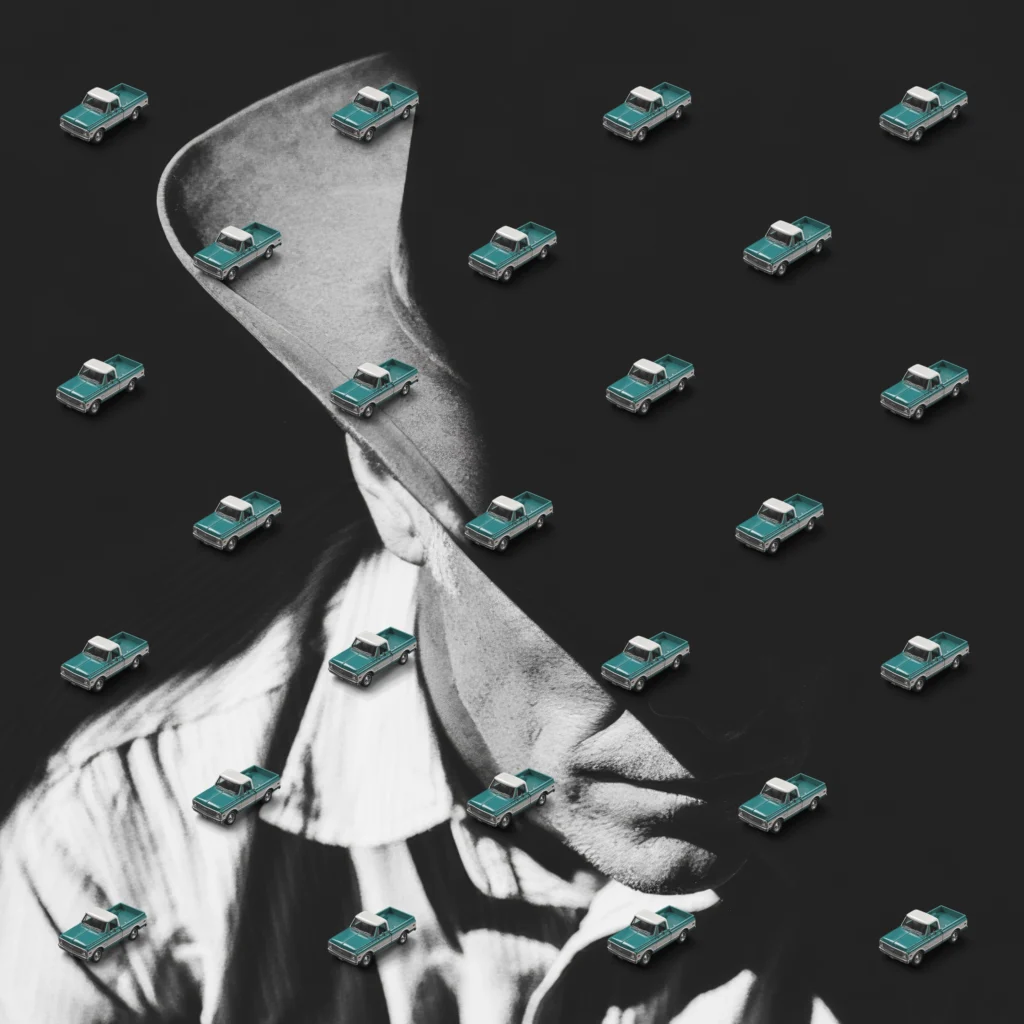
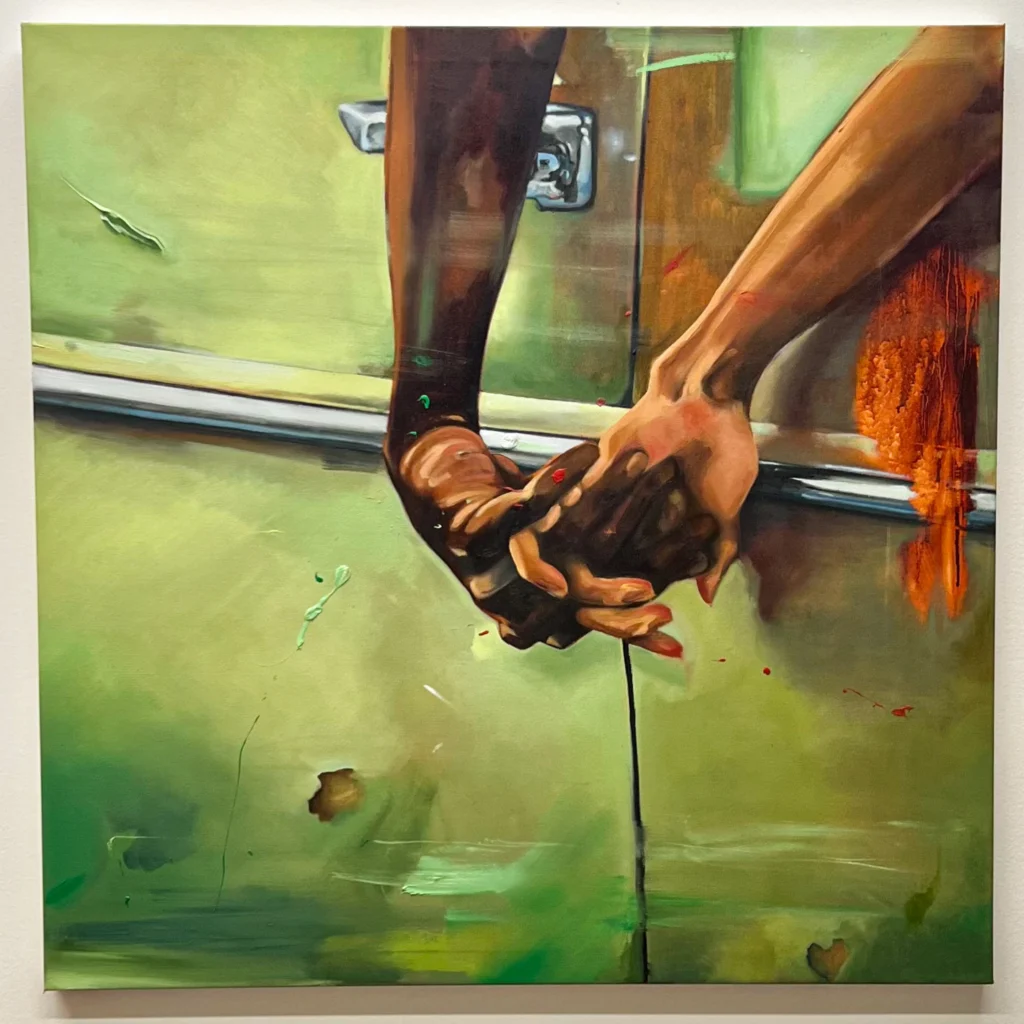
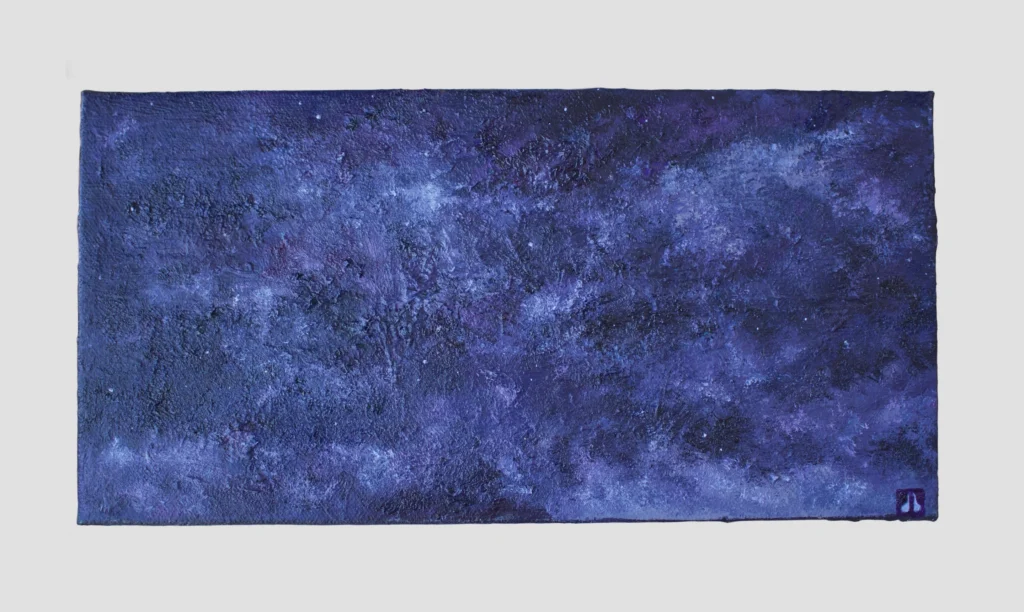
Every day, Sotheby’s employees work around art. They research it, handle it, catalogue it, value it, sell it, and help collectors understand it. But this August, something unusual is happening: the people who normally work behind the art are becoming the artists on the walls. The Artists Among Us brings together artworks created by Sotheby’s own employees, turning the auction house itself into a platform for their creative work.
The exhibition is being presented across Sotheby’s locations in London, New York, and Paris, bringing together employees from very different parts of the organisation. Some work closely with artists and collectors, while others work in areas that are less visible to the public. Their artistic practices are equally varied, including painting, photography, sculpture, ceramics, textiles, printmaking, and mixed media.
When the Art World Looks at Its Own People
What makes the exhibition interesting is the relationship between the artists and the institution presenting their work. Sotheby’s is normally the place where collectors come to discover the work of established artists, but this time the people working inside that institution are stepping into a completely different role. Their professional identities remain connected to Sotheby’s, yet the exhibition allows visitors to see another side of the people who spend their working lives surrounded by art.
That creates a different kind of art experience. The artists are not distant names whose careers are being discussed from the outside; they are people who work within the same organisation every day. Some understand the market from years of professional experience, while others have developed their creative practices alongside their careers at Sotheby’s. The exhibition makes those normally separate worlds visible at the same time.
The Art Is Actually for Sale
The most important detail is that The Artists Among Us is a selling exhibition, rather than simply an internal celebration of employee creativity. The works are available for collectors to purchase, with Sotheby’s listing pieces across a relatively accessible range of approximately $78 to $15,000. This gives the exhibition a very different meaning because the artworks are entering the same commercial environment that Sotheby’s normally creates for artists and collectors.
There is also a charitable element to the sales. Eighty percent of the sale price goes to the participating artist, while the remaining 20% supports local nonprofit organisations connected to the exhibition’s different locations. The project therefore connects the employee as artist with Sotheby’s as an institution, the collector as buyer, and the wider community that benefits from the proceeds.
A Different Relationship With the Art Market
The traditional art-market journey is often straightforward: an artist creates the work, a gallery or auction house brings it to the market, and a collector eventually acquires it. The Artists Among Us creates a more unusual version of that relationship because the people working inside the auction house become the artists being presented and sold through the same institution.
That reversal is what I find most interesting. Sotheby’s normally gives artists access to collectors, but here it is giving its own employees that opportunity. The people who spend their professional lives helping others understand, evaluate, and sell art are now asking collectors to look at their own creative work.
Does Working Around Art Change How You See It?
There is another question underneath the exhibition: does spending your professional life around art change the way you experience or create it? Sotheby’s employees encounter questions of provenance, rarity, condition, artist reputation, market demand, and cultural importance as part of their everyday work. Yet making art is a completely different experience from studying, handling, or selling it.
That tension makes the exhibition particularly interesting. Someone can spend their working day helping a collector understand why an artwork matters and then return home to develop their own artistic practice. The exhibition brings these two identities together and gives the public a chance to see what happens when professional proximity to art meets personal creativity.
Making the Art Market Feel More Human
The art market can sometimes feel distant to people who are not already collectors. Auction houses, galleries, specialists, valuations, provenance, and high prices can create the impression that collecting belongs to a small group of experts. By presenting works created by its own employees at a much wider range of prices, Sotheby’s creates a different entry point into the idea of collecting.
I don’t think this suddenly makes the art market accessible to everyone, but it does make the process feel more personal. The exhibition puts real people behind the artworks and shows that an interest in art does not have to begin with owning a multimillion-dollar masterpiece. Sometimes it begins with discovering the creative practice of someone whose day job happens to be inside the art world.
By Shubham Kumar
Amouage Love Hibiscus: How Luxury Fragrance Is Becoming an Experience