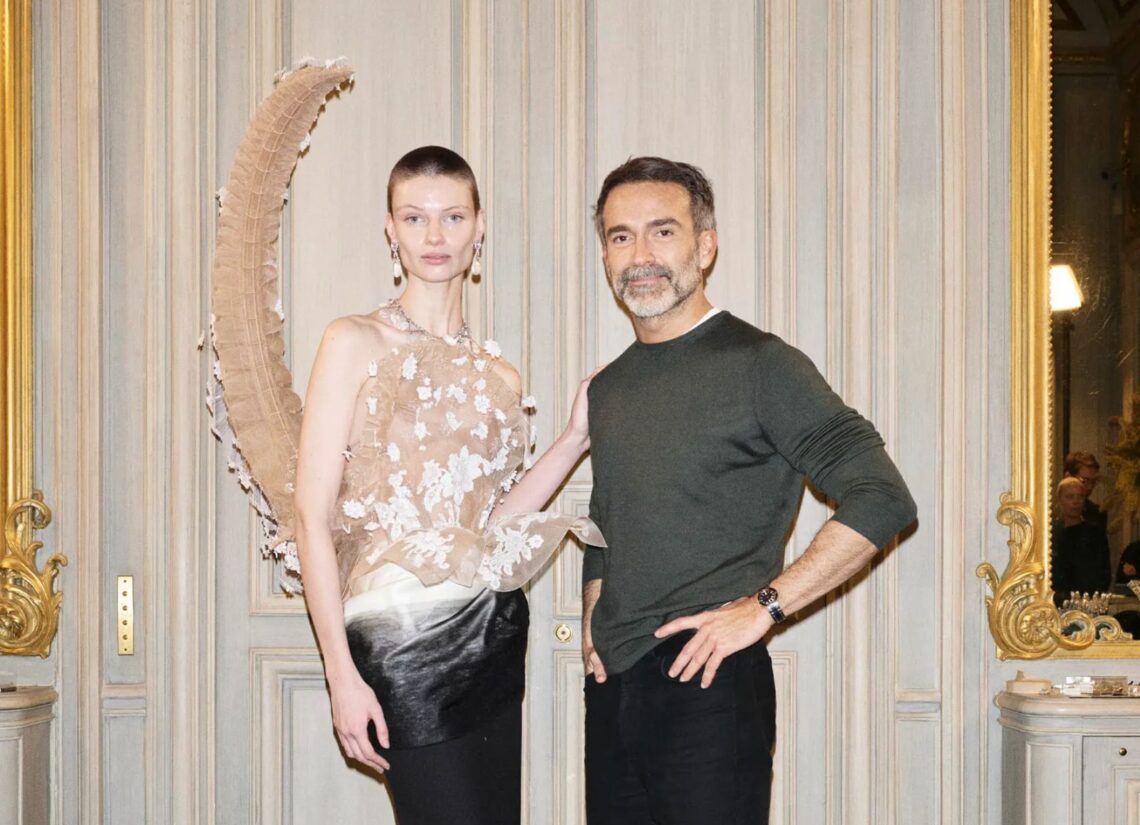
High fashion often looks forward. This season, Schiaparelli looked backward, toward absence, loss, and memory. For its Paris couture presentation, the house drew inspiration from one of the most unusual chapters in French cultural history: the jewels of the Louvre that vanished, were scattered, or exist today only through archives and imagination.
Rather than reconstructing historical objects literally, Schiaparelli treated the idea of the “lost jewel” as a conceptual starting point. What does it mean when an object that once symbolized power, ritual, or beauty no longer exists in material form, yet continues to shape cultural memory? Couture became the medium to explore that question.
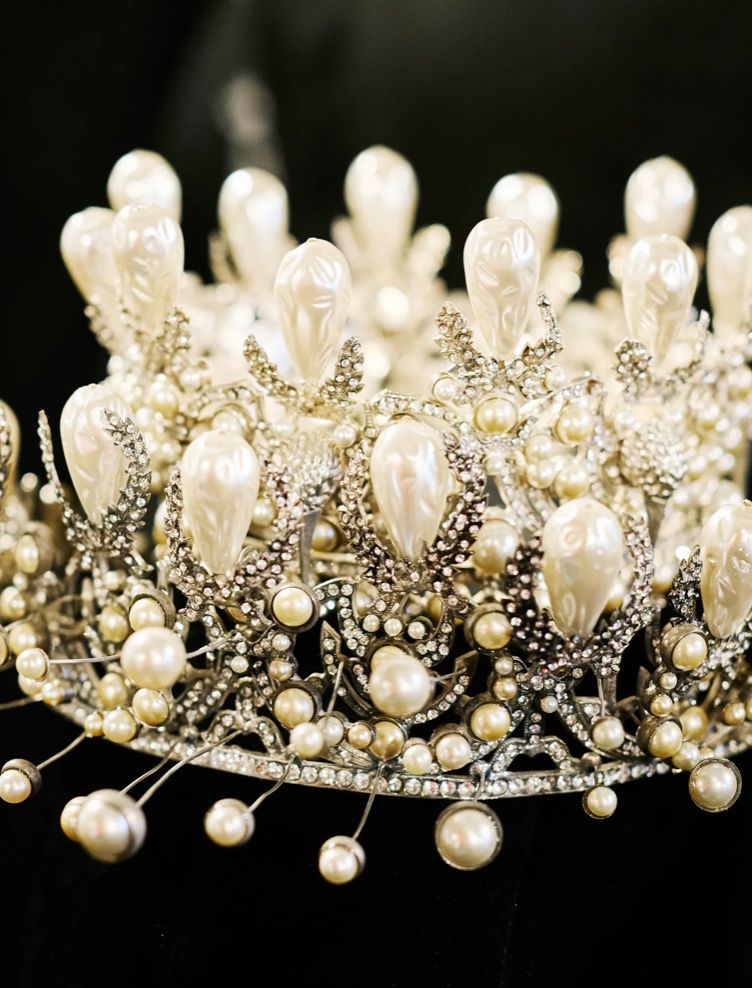
From Museum Absence to Couture Presence
The Louvre is known as a place of preservation, yet many of its treasures have disappeared over centuries due to theft, revolution, war, or private dispersal. Some jewels survive only as sketches, inventory descriptions, or fragments. Schiaparelli did not attempt to replicate these objects. Instead, the collection imagined what couture could look like if it carried the emotional weight of something lost.
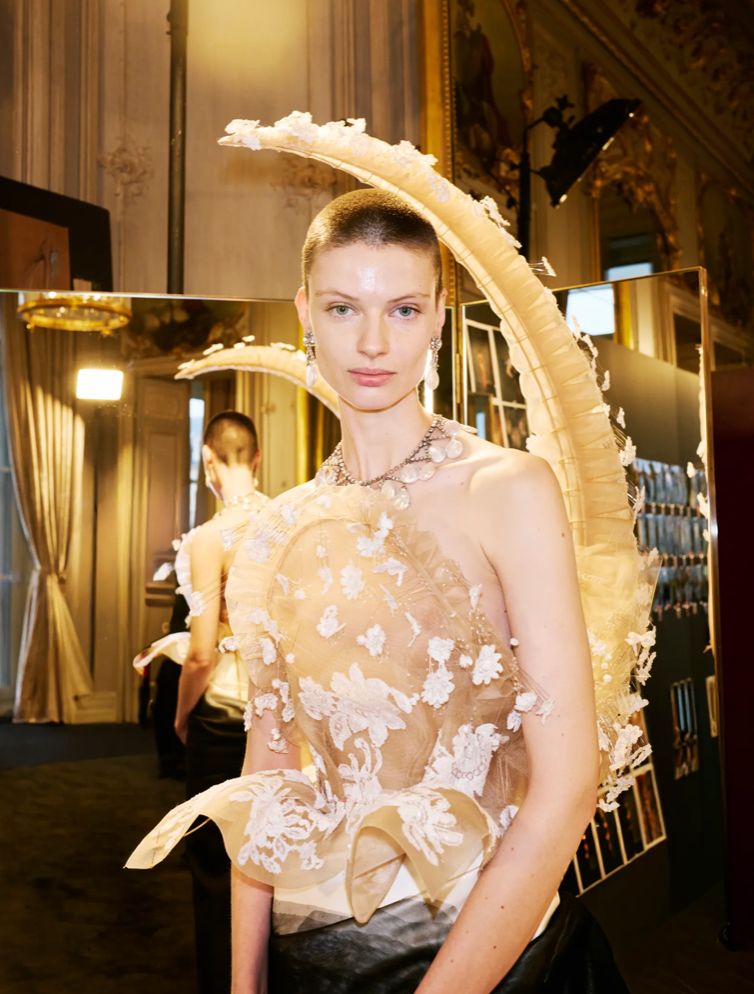
Necklines resembled ceremonial settings once meant to hold stones. Bodices echoed reliquaries and ornamental mounts. Embroidery replaced gemstones, not as substitution but as interpretation. The absence of the jewel became the point.
This approach shifted couture away from spectacle toward symbolism. The garments did not scream wealth. They suggested history.
Jewellery Without Stones
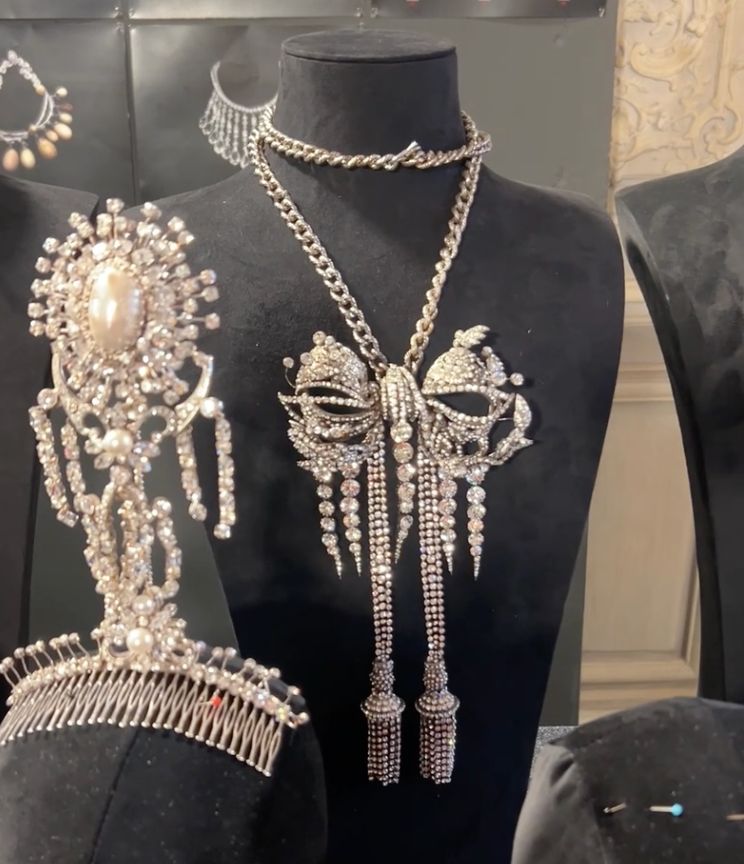
One of the most striking aspects of the collection was how jewellery appeared without behaving like jewellery. Gilded elements, sculptural metalwork, and trompe-l’oeil techniques created the illusion of treasure without relying on actual precious stones. In doing so, Schiaparelli reversed the usual hierarchy. Craft replaced carat.
This choice felt deliberate. In traditional high jewellery, value comes from rarity and material. Here, value came from imagination, labor, and reference. The atelier treated embroidery, metal, and textile manipulation as archival tools, capable of carrying memory in the same way objects once did.
The result was couture that felt archaeological rather than decorative.
Couture as Historical Language
Schiaparelli has always existed at the intersection of fashion, art, and surrealism. This collection extended that lineage by treating couture as a language capable of speaking about history, loss, and transformation.
Rather than telling a linear story, the garments functioned like museum rooms. Each look felt like an artifact from an alternate archive, one where fashion steps in when objects disappear. The silhouettes carried gravity. The surfaces carried detail meant to be read slowly, not consumed instantly.
This pacing matters. In a fashion system driven by speed and novelty, Schiaparelli proposed stillness and reflection.
Why This Collection Matters
What makes this collection significant is not the reference itself, but how it was handled. Many brands borrow from history for aesthetic effect. Few engage with history as an idea.
By centering absence rather than possession, Schiaparelli questioned how luxury assigns value. Is it the object that matters, or the story it carries? Is permanence required for meaning, or can imagination preserve what time has erased?
In doing so, the house positioned couture not as a display of wealth, but as a cultural instrument. One that can interpret, remember, and even mourn.
A Quiet Statement in a Loud Industry
There was no nostalgia here, and no attempt to glorify the past. The collection acknowledged loss without sentimentality. It treated history as unfinished, open to reinterpretation.
In a moment when fashion often competes for attention, Schiaparelli chose restraint. The result was couture that felt intellectual, emotional, and quietly confident.
By turning the Louvre’s lost jewels into garments, the house reminded us that luxury does not always come from what survives. Sometimes, it comes from what is missing, and how carefully we choose to remember it.
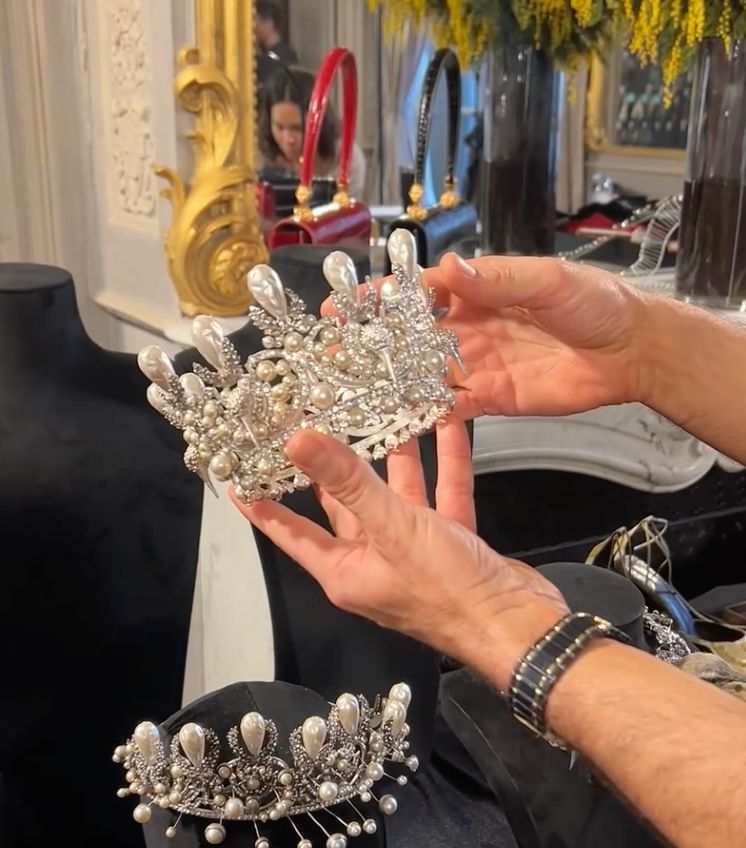
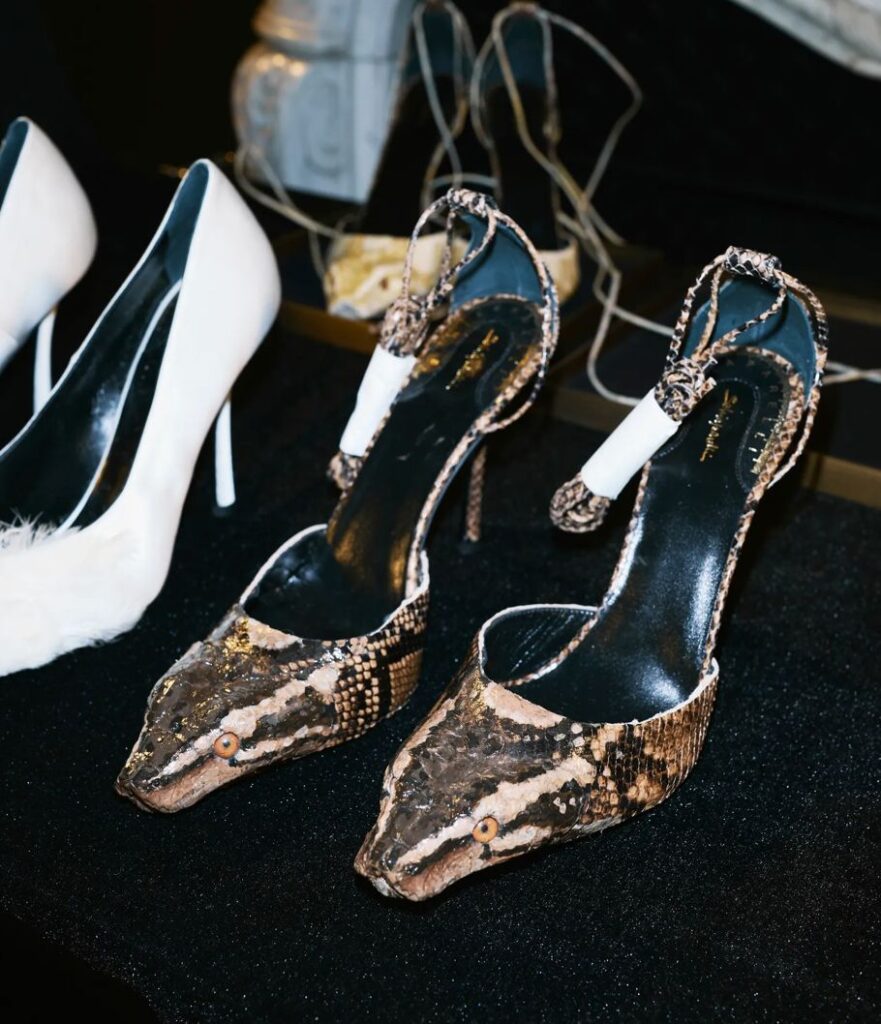
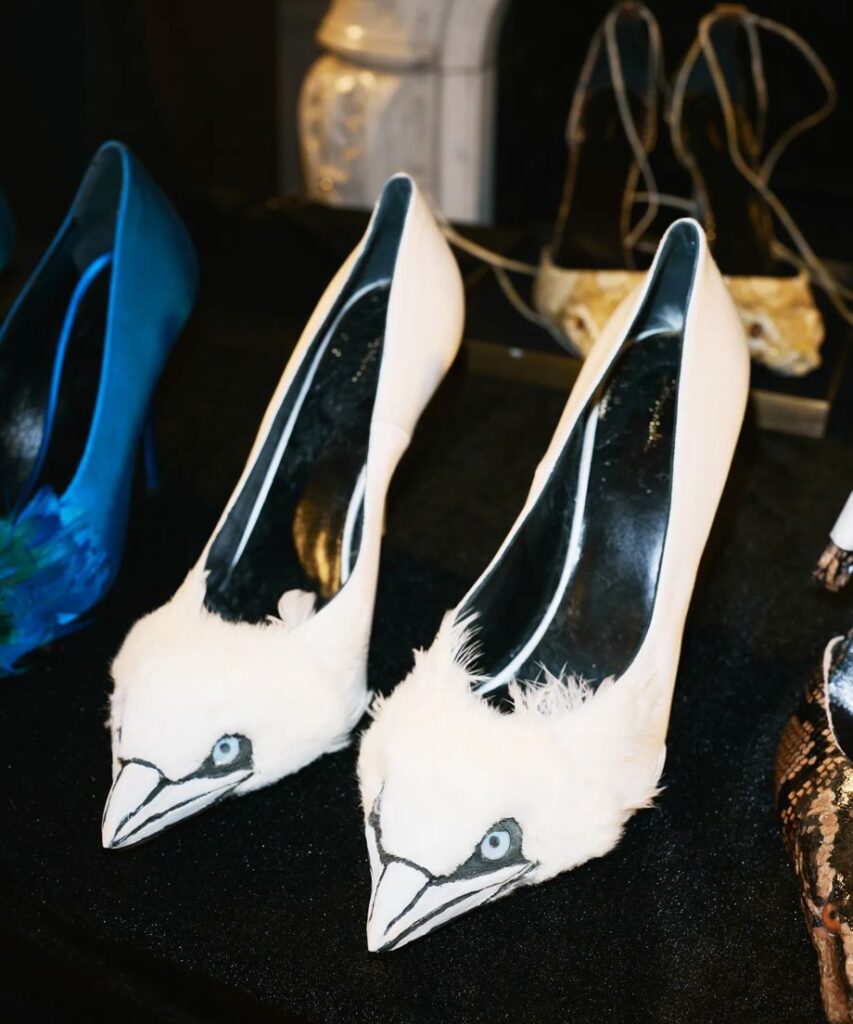
PHOTO: ELLEN FEDORS





One comment on “How Schiaparelli Turned the Louvre’s Lost Jewels Into Couture”