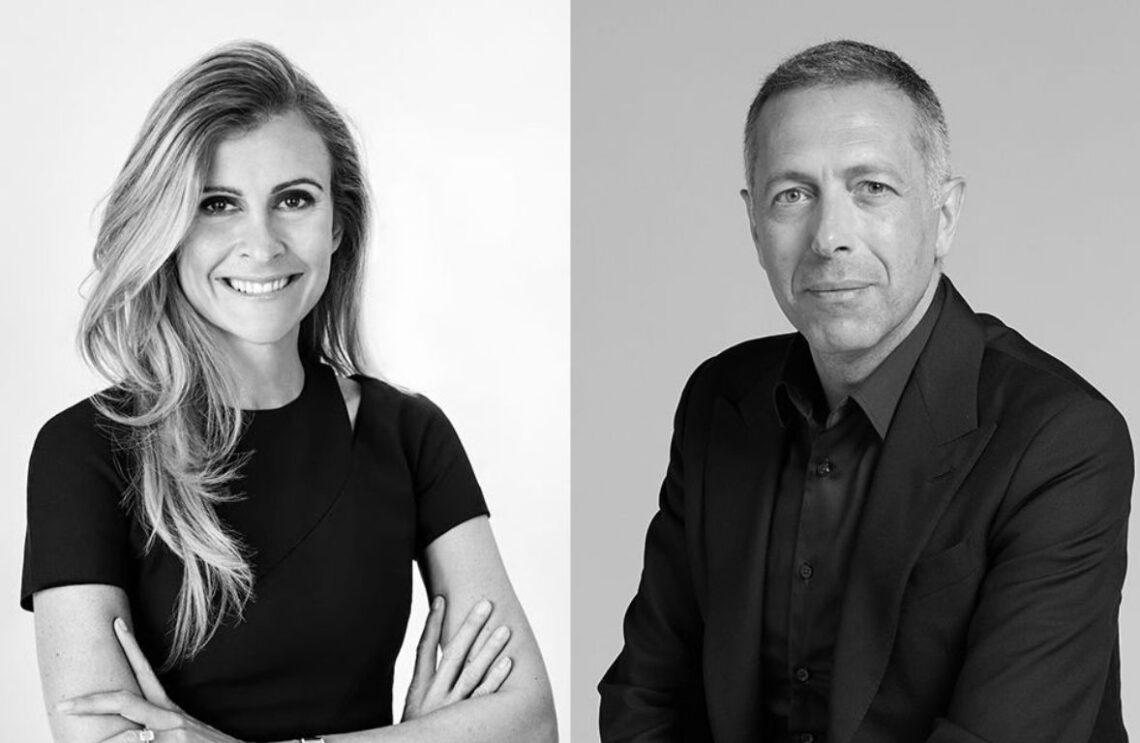
Leadership changes in luxury often happen quietly, but they usually signal something deeper. Givenchy’s appointment of Amandine Ohayon as its new Chief Executive Officer is one of those moments that deserves attention, not for its drama, but for what it suggests about the Maison’s next phase.
Ohayon replaces Alessandro Valenti, who exits after just 18 months to take on a senior role at Christian Dior Couture. On the surface, this looks like a routine internal move within LVMH. In reality, it reflects a careful recalibration of priorities at Givenchy and a broader shift in how the group is managing its fashion houses.
Givenchy sits in a delicate position. It carries immense heritage, cultural relevance, and aesthetic authority. Yet in recent years, the house has struggled to find consistent commercial rhythm across fashion, accessories, and beauty. Creative moments have been strong, but alignment and continuity have felt uneven. In that context, leadership becomes less about visibility and more about structure.
Ohayon’s background matters. Coming from L’Oréal, she brings deep experience in global brand management, operational discipline, and long-term category building. This is not a creative appointment, and it is not meant to be. It suggests that LVMH sees Givenchy’s challenge as one of execution, coherence, and sustainable growth rather than reinvention or creative disruption.
Valenti’s short tenure is also telling. Eighteen months is brief by traditional luxury standards, but it is increasingly common today. The CEO role inside a heritage Maison has become more complex than ever. Leaders are expected to balance creative vision, financial performance, regional dynamics, and internal culture, often under intense pressure and compressed timelines. When expectations and realities do not fully align, LVMH tends to act decisively but discreetly.
What stands out is not the departure, but the intention behind the appointment.
Givenchy does not need louder statements. It needs clarity. Strong product pillars. A clearer dialogue between its creative direction and its commercial strategy. These are not changes that appear immediately on the runway. They take time, process, and discipline.
This move also reflects a wider trend in luxury. Groups are increasingly placing executives with cross-category and operational depth into fashion roles. Creativity remains essential, but it now requires stronger systems to support it. Vision alone is no longer enough.
For Givenchy, this leadership change feels less like disruption and more like consolidation. A pause before direction. A reminder that in luxury, the most important shifts often happen behind the scenes.
Image – LVMH



One comment on “Givenchy Gets a New CEO as LVMH Reshapes Leadership at the Maison”