
As COP30 opens in Belém, LVMH has shared an update on its environmental roadmap, LIFE 360. For a group of this scale, these updates matter. They reveal how the world’s largest luxury house is reshaping operations, supply chains and sourcing in response to climate reality.
A Long-Term Environmental Vision
LVMH has been building its environmental framework for more than thirty years. Each Maison has sustainability directors and local teams that monitor progress and roll out new practices. This structure is what allows the group to move steadily instead of reacting to trends.
In stores, the change is visible. Energy use has dropped sharply over the past decade. LED lighting, controlled window displays and better building management have reduced consumption across the network. The Dior store in K11, Hong Kong, is a strong example, operating at one of the lowest energy levels in the group.
Transforming the Supply Chain
LIFE 360 is now reshaping logistics. More Maisons use sustainable aviation fuel, wind-powered maritime shipping and electric vehicles for last-mile delivery. Moët Hennessy alone has cut transport-related emissions by more than one-third since 2019.
The group’s internal Carbon Fund continues to accelerate these shifts. Since 2015, it has financed hundreds of low-carbon projects, from renewable energy installations to new logistics systems.
Clear Progress on Emissions
LVMH has already met its 50 percent reduction target for Scopes 1 and 2 emissions compared to 2019 two years early. More than 70 percent of the group’s total energy is now renewable.
Scope 3 remains the largest challenge, as it does for every global brand, but the group reports steady progress. Reductions come from regenerative agriculture, circular materials, supplier engagement and a more precise understanding of what drives emissions across the value chain.
Focus on the Amazon
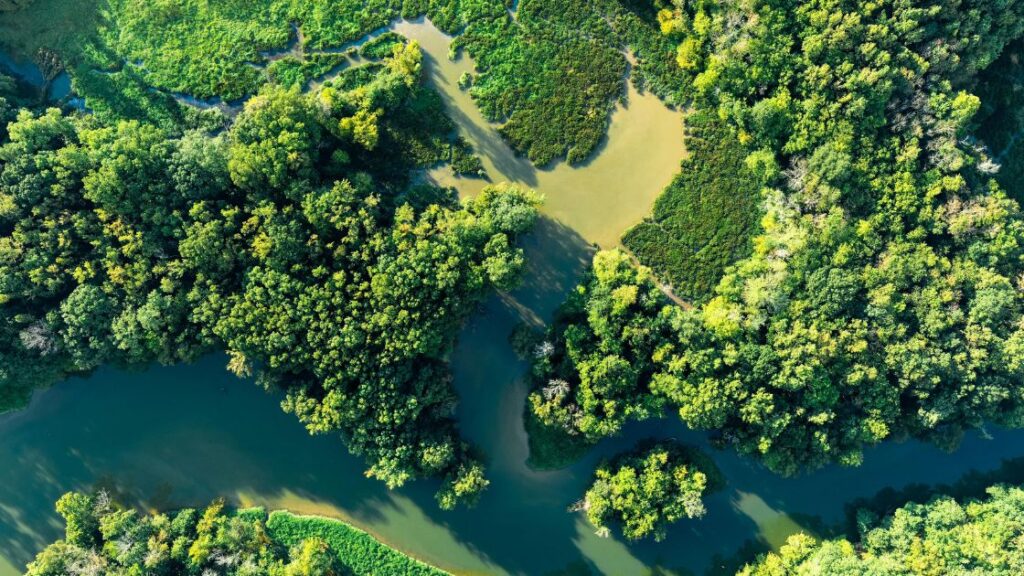
Belém, the host city of COP30, sits at the gateway to the Amazon. Since 2019, LVMH has supported three major programs in the region.
- UNESCO PartnershipEight reserves across four countries benefit from wildfire training, ecosystem restoration and support for local communities. A renewed five-year partnership expands this work across all UNESCO programs.
- FAS (Brazil)Projects in Rio Negro communities focus on education, biodiversity and sustainable tourism, with training programs designed especially for women.
- Reforest’Action (Ecuador)More than 160,000 trees planted, nearly 1,000 hectares restored, and local Indigenous cultures supported through ecological and cultural preservation.
These programs show a long-term commitment rather than a short campaign.
My Reflection
Luxury today cannot exist without responsibility. LVMH’s work at COP30 is not about perfection — it is about scale, direction and accountability. What stands out is not just the progress, but the consistency.
Real change in luxury comes from quiet systems, not loud statements.
For me, this update is a reminder that the future of luxury will be built through material choices, supply-chain decisions and the willingness to repair what we rely on. Sustainability is not a category anymore. It is the foundation of how modern luxury must operate.
The State of Fashion 2025: A New Reality for Fashion and Luxury